Song Meaning
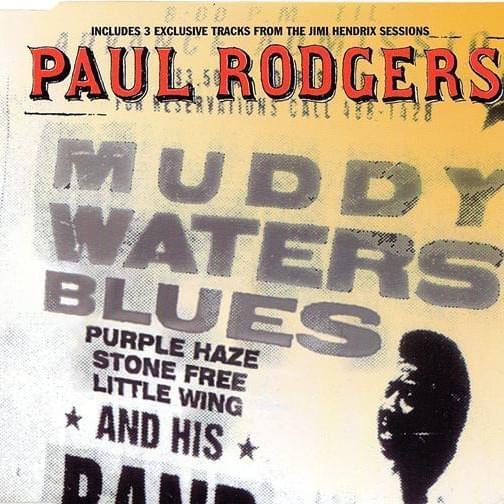
Paul Rodgers' interpretation of "Purple Haze" is less a cover and more a channeling of the original psychedelic maelstrom. Stripped of Jimi Hendrix's signature guitar pyrotechnics, the song's core—a disorienting exploration of altered perception—moves front and center. The opening lines, "Purple Haze was in my brain / Lately things don't seem the same," immediately establish a sense of cognitive dissonance. Rodgers doesn't just sing these words; he embodies the confusion, his vocal delivery hinting at a mind struggling to reconcile itself with a reality warped by… well, something. It's a primal scream of disorientation.
The song's genius lies in its ambiguity, a quality Rodgers preserves. The lyrics, "Don't know if I'm coming up or down / Am I happy or in misery?" capture the bipolar nature of a psychedelic experience, or perhaps a more metaphorical 'high' induced by love or infatuation. The recurring "Purple Haze" becomes a symbol for this intoxicating, yet destabilizing force. Is it drug-induced euphoria? Romantic obsession? Or a more existential crisis of identity? Rodgers wisely leaves the interpretation open.
Ultimately, Rodgers' rendition of "Purple Haze" drills down to the song's essence: the destabilizing power of altered states and the struggle to maintain equilibrium when reality itself becomes fluid. His rendition underlines the lyrical brilliance, showcasing the timeless appeal of a song that continues to resonate with anyone who's ever felt like they're teetering on the edge of perception, unsure if they're about to kiss the sky or crash back to earth.
 View Artist