Song Meaning
Paul Rodgers's "Love Is All I Need" isn't just another rock ballad; it's a stark, interior monologue set against a backdrop of departure and existential questioning. The opening lines immediately establish a sense of imminent escape, underscored by the uncertainty of return. This isn't a triumphant exit, but a flight haunted by 'heartache' knocking at the door, a physical manifestation of emotional baggage. The discarded dreams and hopes, 'lying on the floor,' paint a portrait of disillusionment, suggesting a past littered with unrealized potential. The speaker is leaving something behind, but it feels more like abandoning a part of himself.
The pivotal moment arrives with the disembodied voice 'from somewhere above,' offering the titular message: 'love is all I need.' This isn't necessarily a romantic declaration. Instead, it reads as a desperate plea for connection, a lifeline thrown to someone drowning in isolation. The setting shifts to a desolate station, amplifying the sense of alienation. The absence of 'smiling faces' and 'happy sounds' reinforces the speaker's internal state, a world devoid of joy and human warmth. This emptiness underscores the profound need expressed in the repeated chorus.
The genius of "Love Is All I Need" lies in its ambiguity. Is the 'love' yearned for romantic, familial, or a more fundamental human connection? Is the 'voice' a divine intervention, a memory, or a figment of a fractured psyche? The song wisely offers no concrete answers, allowing listeners to project their own experiences of loss and longing onto its canvas. Ultimately, Paul Rodgers crafts a powerful meditation on the essential human need for connection in the face of despair, a message that resonates long after the final chord fades.
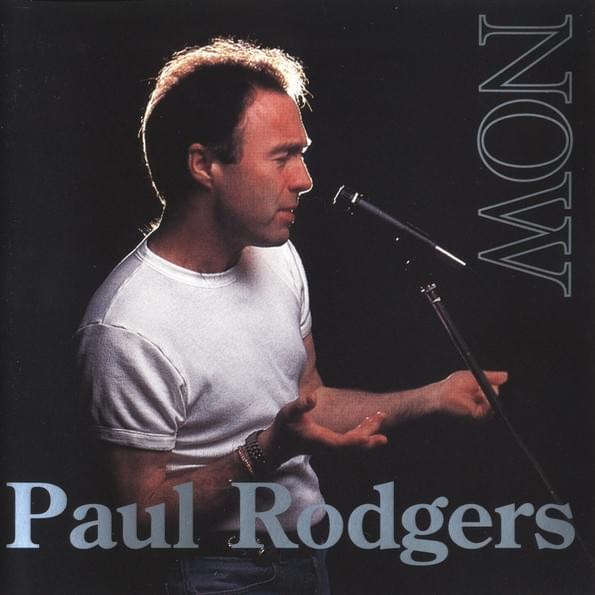
 View Artist