Song Meaning
Paul Rodgers' bluesy lament, "Down Don't Bother Me," is a masterclass in emotional resilience forged in the fires of relationship despair. The core message isn't just about sadness; it’s about the weary acceptance that follows prolonged mistreatment. The repetition of "I've been down so long, you know, down don't bother me" acts as a mantra, a shield built from repeated blows. It's the sonic equivalent of a psychological defense mechanism, perhaps even a touch of learned helplessness tinged with defiance. The speaker isn't necessarily happy about being down, but he's become inured to it. It's a dark, hard-won stoicism.
The lyrics sketch a picture of a working man trying to do right by his partner. He toils, comes home, offers gifts ("a nice coat for Christmas and a diamond ring"), yet receives only rejection in return. This imbalance highlights a profound disconnect. The pain isn't just from the lack of reciprocation, but from the devaluation of his efforts and, more fundamentally, his love. The line "you've got the nerve to tell me that my love don't mean a thing" is a raw, exposed nerve, revealing the depth of the wound.
The recurring image of casting troubles into the "deep, blue sea" offers a glimmer of hope, albeit a somewhat passive one. It suggests a desire to unburden himself, to find some form of release from the emotional weight. However, the fact that he keeps repeating this intention underscores its difficulty. He's not actively changing his situation, but rather fantasizing about escape. The "deep, blue sea" becomes a symbol of the oblivion he craves, a place where the constant sting of disappointment can finally be extinguished. Ultimately, "Down Don't Bother Me" isn't just a blues song; it's an exploration of the human capacity to adapt to suffering, even when that adaptation involves a kind of emotional resignation.
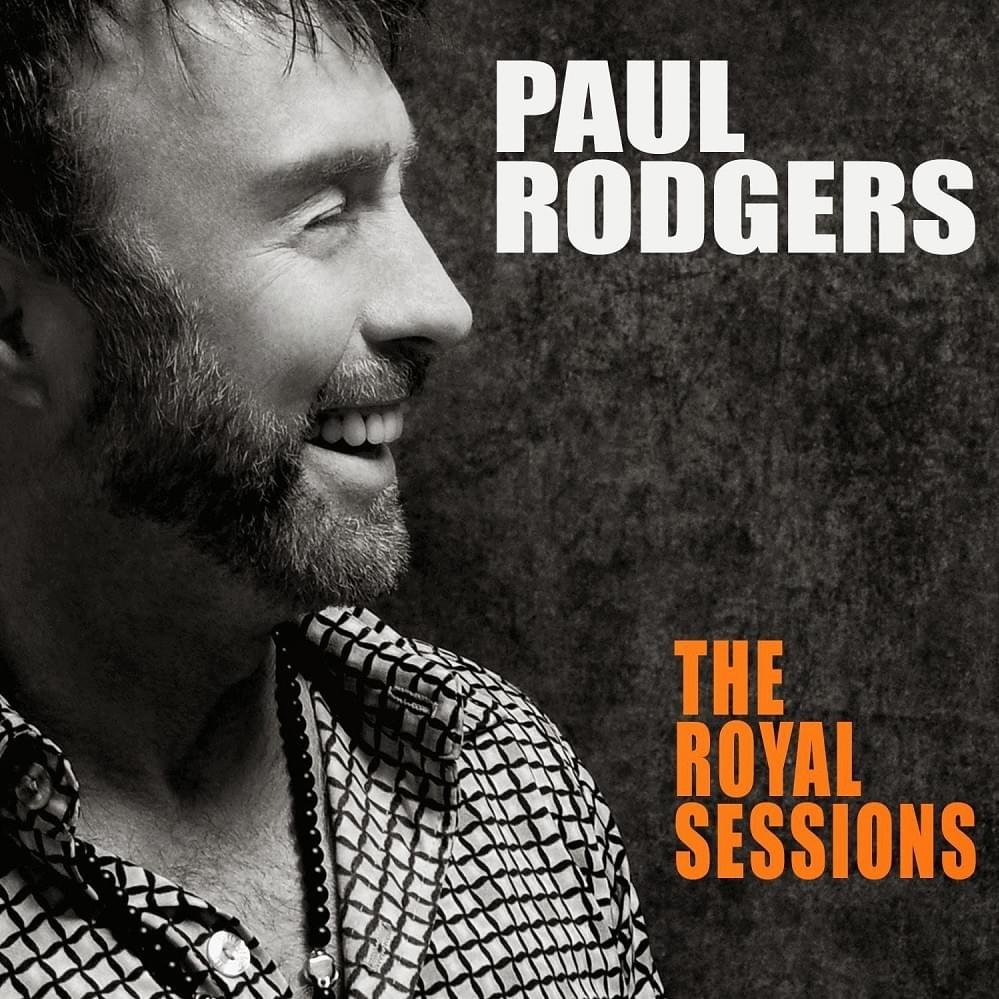
 View Artist