Song Meaning
The lyrics paint a picture of a hurried, joyless Christmas season, observing a parade of people too caught up in their own lives to connect or even acknowledge each other. The narrator sees this pervasive lack of cheer and offers a simple, almost prescriptive solution: put on a happy face. It's a surface-level fix for a deeper, unspoken melancholy that seems to grip everyone.
The central tension lies between the outward expectation of holiday merriment and the internal reality of isolation and aimlessness. The repeated phrase "hurryin' nowhere, don't even know why" captures this feeling of frantic motion without purpose, a stark contrast to the supposed peace and goodwill of Christmas. The advice to "wear a smile" feels less like genuine encouragement and more like a societal mandate to mask any underlying unhappiness.
The most striking element is the blunt, almost transactional nature of the chorus: "No one likes you when you're down." This isn't about finding inner peace or genuine connection; it's about social performance. The lyrics suggest that happiness is a requirement for acceptance, especially during a time that's supposed to be about love and understanding. The outro's plea to "be merry" and "count your blessings" further emphasizes this performative aspect, urging a forced gratitude.
Ultimately, the effectiveness of these lyrics comes from their stark, unvarnished portrayal of social pressure during the holidays. It taps into the uncomfortable truth that sometimes, the pressure to be happy can feel more isolating than the sadness itself. The simple, repetitive advice to "wear a smile" becomes a poignant, if somewhat bleak, commentary on how we navigate difficult emotions in a culture that often demands outward positivity.
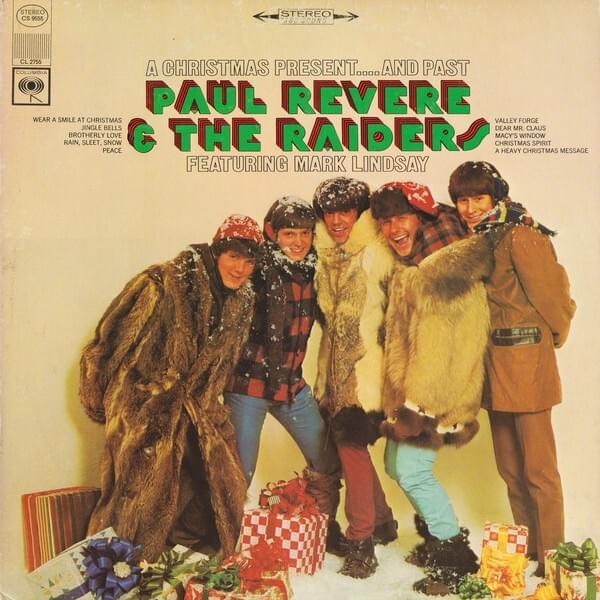
 View Artist