Song Meaning
The lyrics paint a vivid picture of a shared moment by the water, tinged with a melancholic awareness of departure and return. The narrator recalls a specific day where boats seemed to sail away indefinitely, yet a comforting reassurance follows: "Reviendront bientôt." This sets a tone of gentle observation, noting the other person's "tristesse à fleur de peau," a vulnerability laid bare.
The central tension arises from the contrast between the other person's intense emotional experience – described as "ton premier amour," "ta première ivresse" – and the narrator's perspective, which suggests an overreaction: "Tu t'en fais trop." This isn't dismissive, but rather a gentle attempt to contextualize the overwhelming feelings associated with first love.
The most striking element is the rhetorical question that frames the entire experience: "Comment t'as fait pour vivre tes seize premières années / Sans le connaître?" This highlights the profound, almost transformative impact of this new love, implying that life before it was somehow incomplete or less vivid. The suggestion that remembering the days "sans lui" might shorten them further underscores the current, all-consuming nature of this relationship.
Ultimately, the effectiveness lies in its tender, almost parental, yet deeply empathetic tone. The narrator acknowledges the desire to be left alone in their current state ("Je sais que tu voudrais que je te laisse / Telle que t'es"), but can't help offering a soothing, if slightly detached, perspective. It captures that specific ache of witnessing someone else's first, overwhelming love, wanting them to find peace without diminishing the intensity of their feelings.
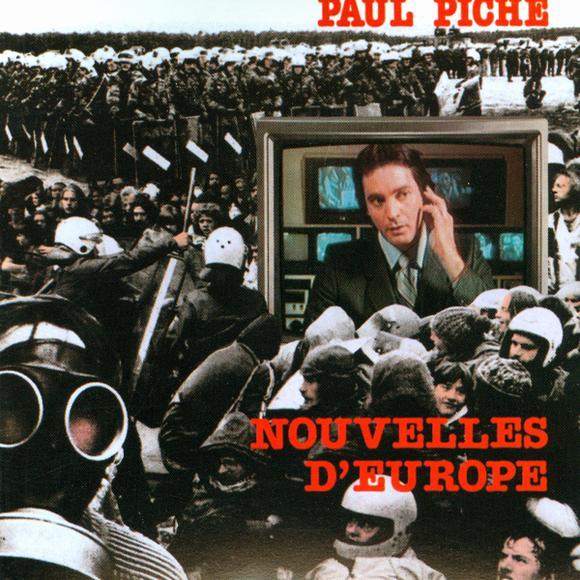
 View Artist