Song Meaning
The lyrics paint a picture of profound solitude and internal questioning. The repeated phrase "Qui est là" (Who is there?) immediately establishes a sense of searching, a desperate attempt to identify a presence in the encroaching darkness and emptiness. The setting is stark: a deserted room, a door open to the cold, and the narrator alone, even in their own arms. This physical isolation mirrors a deeper, more existential loneliness.
The central tension lies in the narrator's struggle to reconcile conflicting aspects of a person, presumably a lost love or a fragmented self. They question "Toi celle qui voulait s'abandonner / Ou toi celle qui n'a pas peur de personne" (You who wanted to surrender / Or you who fears no one), highlighting a duality between vulnerability and strength. This internal debate continues, posing "Qui la fille / Qui la femme / Qui se bat" (Who is the girl / Who is the woman / Who fights), suggesting a search for identity and understanding within this complex figure.
The most striking craft element is the persistent questioning that drives the narrative. The lyrics don't offer answers but rather amplify the mystery. The repetition of "Qui est là" and the contrasting descriptions of the person create a disorienting effect, mirroring the narrator's own confusion. The imagery of the "chambre déserte" (deserted room) and the "porte ouverte au froid" (door open to the cold) powerfully conveys the emotional chill and emptiness left by absence.
Ultimately, these lyrics resonate because they capture the universal experience of grappling with the unknown, both in others and within ourselves. The fragmented questions and unresolved dualities reflect the messy, often contradictory nature of human identity and relationships. The raw vulnerability of the narrator's search, amplified by the stark imagery and repetitive questioning, creates a palpable sense of longing and introspection that hits hard.
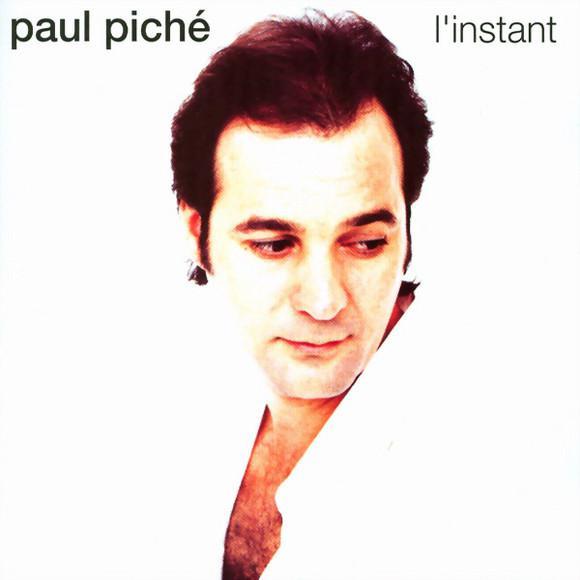
 View Artist