Song Meaning
The narrator is making a series of bequests, not of material possessions, but of ephemeral concepts and natural elements. The opening lines establish a pattern: "Je lègue à la mer / Un château de sable / Un ruisseau creusé / À même une fable." This immediately sets a tone of transience, as sandcastles and carved streams are temporary, destined to be washed away or altered by the sea. The comparison to "cités de pierres" (cities of stone) that "devra se défaire" (must undo itself) reinforces this theme of inevitable dissolution, suggesting that even seemingly solid structures are subject to decay.
The lyrics then pivot to what is left for humanity: "l'espoir la justice." However, this bequest is tinged with profound skepticism. The narrator states, "Ils sont seuls à vouloir / Ou croire qu'elle existe" (They are alone in wanting / Or believing it exists), implying that hope and justice are human constructs, perhaps illusory or at least fragile, as humanity is the sole entity capable of desiring or believing in them. This contrasts sharply with the more direct, elemental bequests made to nature.
The middle section offers a series of symbolic offerings: an eagle to a tree, a dream to an angel, a gust of storm to the tempest. These are poetic, almost mythic gestures, aligning the narrator with a certain romantic or chivalric ideal ("Je suis chevalier"). The repetition of "Je lègue à la mer" and "Je lègue à l'orage" in the latter half, alongside a jumbled re-listing of earlier bequests, creates a sense of cyclical return and perhaps a final, overwhelming surrender to these natural forces. The line "Je ne suis pas fait de pierre / Je veux bien me défaire" (I am not made of stone / I am willing to undo myself) directly links the narrator's own ephemeral nature to the transient creations they leave behind, embracing dissolution rather than permanence.
Ultimately, the power of these lyrics lies in their melancholic yet accepting portrayal of impermanence. The narrator doesn't cling to legacy in a traditional sense. Instead, they offer fleeting beauty and abstract ideals to forces that will inevitably consume or transform them. It’s a profound statement on the nature of existence, suggesting that true meaning might be found not in lasting monuments, but in the very act of creating and letting go, acknowledging our own transient place within larger, indifferent cycles.
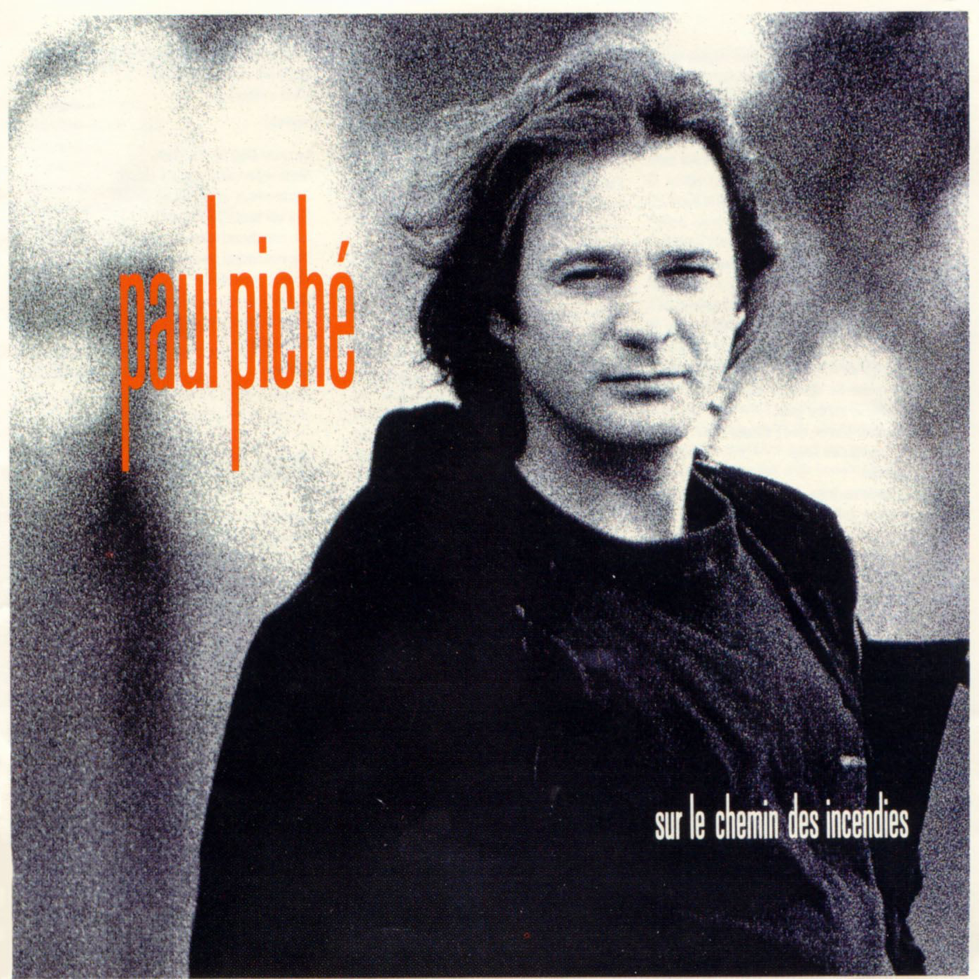
 View Artist