Song Meaning
The lyrics paint a stark picture of isolation and deep-seated mistrust. The narrator, identifying as "un loup" (a wolf), flees from those who might offer help, choosing instead to "se réfugier / En haut sur la montagne." This self-imposed exile stems from a history of being "chassé" (hunted or chased away), leading to a profound belief that he will never be truly heard or accepted. The dominant tone is one of wounded pride and a desperate, almost primal, sense of otherness.
The central tension lies in the narrator's simultaneous need for connection and his inability to accept it. He "appelle / J'appelle au loin" (calls / I call far away), a cry into the void that seems both a plea and a warning. Yet, he immediately undercuts any potential for solace by stating, "N'écoutez pas ce que j'en dis / Je ne suis qu'un loup." This self-definition as a wild, untamable creature prevents him from receiving the care he seems to implicitly desire, creating a tragic loop of rejection and isolation.
The imagery of the "loup" is powerfully sustained, extending beyond mere metaphor. The narrator's pain is described as "plus profonde / Que la blessure de vos fusils," suggesting a wound that transcends physical harm and speaks to a deep emotional scarring. The "arbre défolié" (defoliated tree) serves as a poignant visual for his grief and the anticipation of losing an "ami," further emphasizing his solitary existence and the weight of his impending sorrow. The phrase "À pas de loup la route est longue" (at a wolf's pace the road is long) encapsulates his slow, solitary, and arduous path through life.
Ultimately, the effectiveness of these lyrics lies in their raw portrayal of alienation. The narrator's internal conflict – the call for connection versus the ingrained belief in his own monstrousness – is rendered with a stark, unvarnished honesty. The repeated "J'appelle" becomes a haunting refrain, a testament to a spirit that, despite its self-imposed exile, still reaches out, even if only to the distant echo of its own lonely cry.
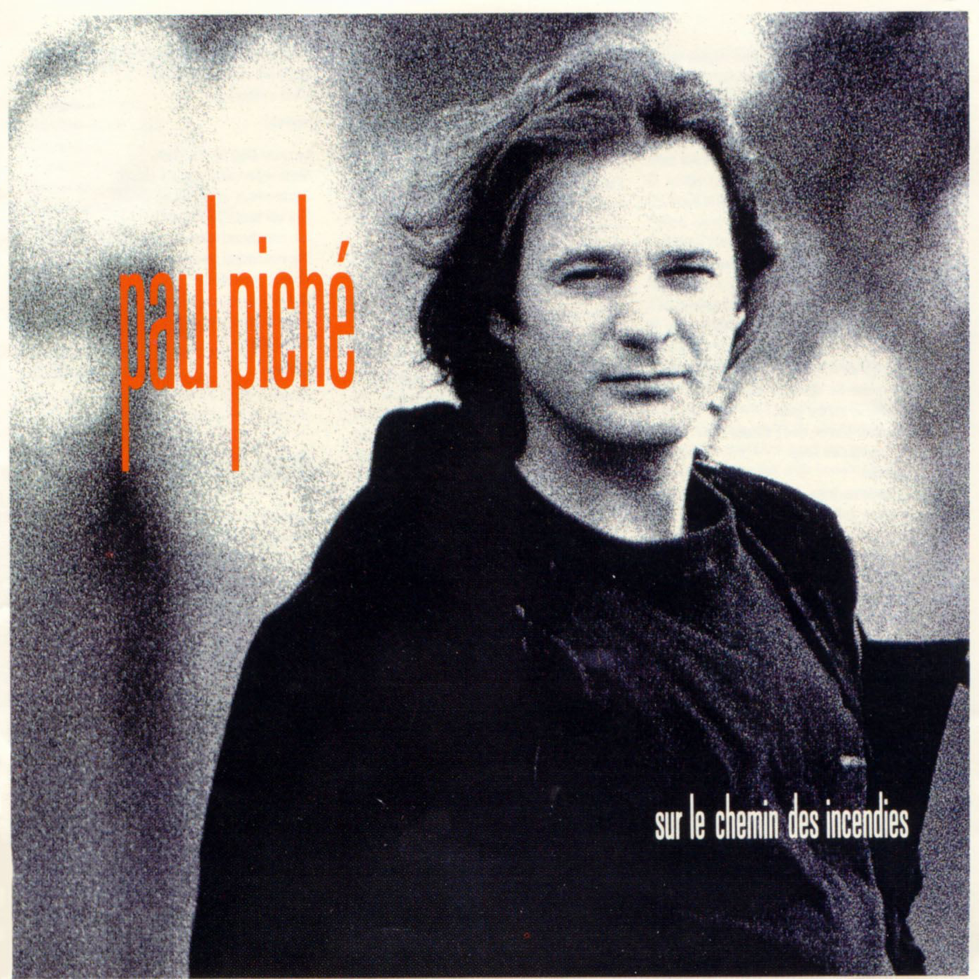
 View Artist