Song Meaning
The lyrics paint a stark picture of a relationship shadowed by illness and the profound fear of loss. The narrator expresses a surprising depth of emotion, admitting to tears at the sight of their partner, not out of sadness for themselves, but out of a newfound, intense vulnerability. This initial shock gives way to a pervasive anxiety, a constant hum of dread that permeates daily life, particularly concerning the children and the narrator's own future.
The central tension lies in the narrator's struggle to reconcile their own needs and fears with the demands of caregiving and the impending reality of their partner's potential death. There's a palpable sense of helplessness, a fear that if the partner leaves, the narrator will follow soon after, suggesting a deep codependency or a life so intertwined that separation feels like annihilation. This fear fuels a desperate need to find purpose and meaning, not just in work outside the home, but in actively combating the partner's despair and perceived societal injustices.
A striking element is the narrator's attempt to uplift their partner, to challenge the notion that a man is not entitled to live for himself, separate from his family's needs. This suggests a history where the partner may have sacrificed his own aspirations or been exploited, leading to a current state of disillusionment. The lyrics acknowledge the difficulty of communication and the pain of shared suffering, culminating in the poignant admission, "Mais y a rien qui s'efface / Quand j'pleure à côté d'toé" – nothing erases the shared tears, highlighting the raw, unvarnished intimacy of their present reality.
Ultimately, the effectiveness of these lyrics stems from their unflinching honesty and the raw emotional vulnerability they convey. The narrator doesn't shy away from admitting their fear or their surprise at their own tears. The focus on concrete anxieties – the children, the future, the partner's perceived mistreatment – grounds the emotional weight, making the profound sense of impending loss feel deeply personal and intensely felt.
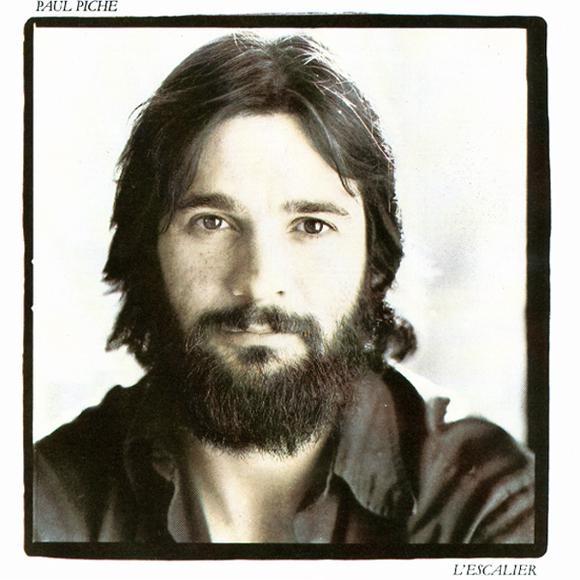
 View Artist