Song Meaning
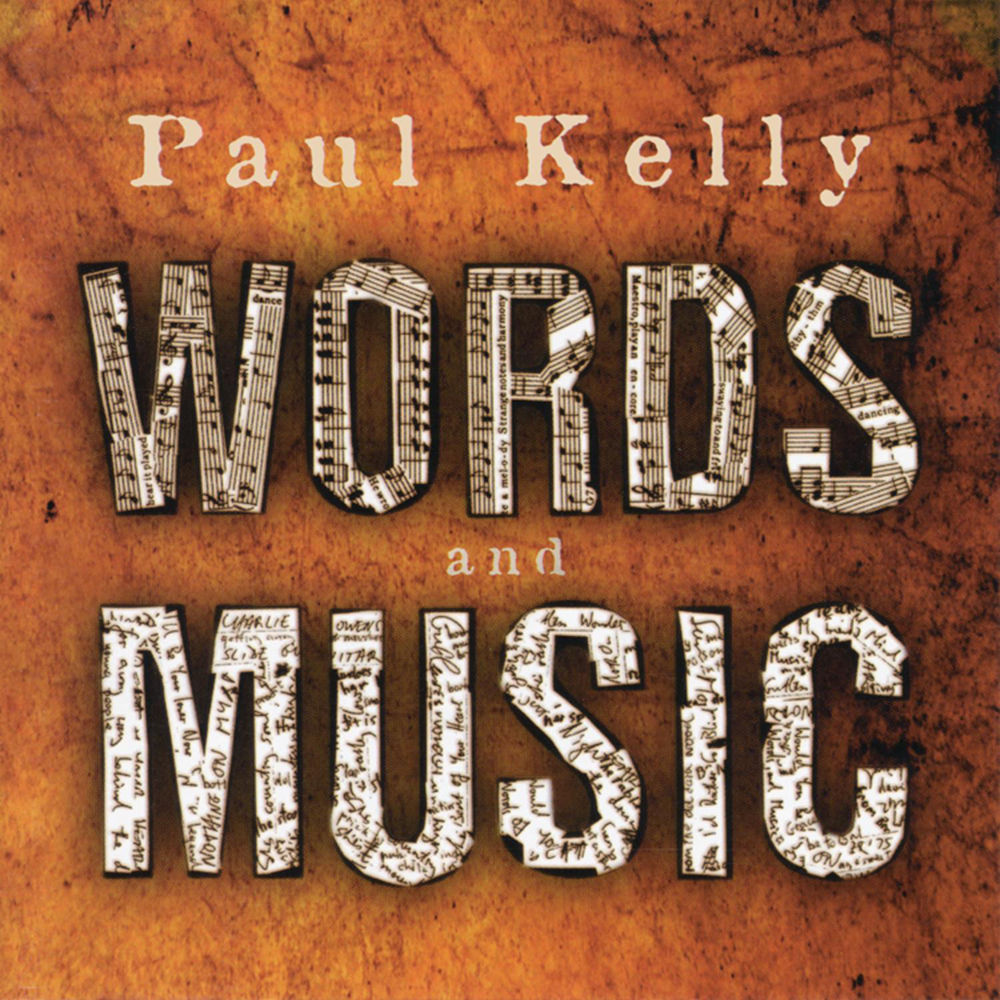
Paul Kelly's "Words and Music" isn't just a nostalgic trip; it's a concise exploration of how music imprints itself onto our developing consciousness, shaping memories and offering solace. The opening verse, grounded in the specific memory of hearing The Beatles' "I Feel Fine" in a schoolyard, immediately establishes music as a transformative force. The playground's sounds fade, replaced by a "heavenly sound" burning in the young narrator's brain. This isn't mere fandom; it's an almost spiritual experience, highlighting music's power to transport us beyond the mundane. The repetition of "Words and Music - yeah, yeah" acts as a mantra, emphasizing the symbiotic relationship between lyrical content and musical composition. It's the gestalt, the unified experience, that truly resonates.
The second verse shifts the scene to a domestic setting, with Bob Dylan's "Highway 61 Revisited" providing the sonic backdrop. The intrusion of the mother's voice, a call to domestic responsibility, creates a familiar tension between the immersive world of music and the demands of everyday life. The narrator's plea for "one more song" before tackling the dishes speaks to music's addictive quality, its ability to delay or even negate less appealing realities. Choosing "Desolation Row" as that final song is telling; it suggests a growing awareness of the complexities and often bleak realities that lie beyond the immediate joy of pop music. The song suggests that even in formative years, music is more than just entertainment; it's a lens through which we begin to understand the world's beauty and its inherent darkness.
The final verse introduces the image of a trapped sailor saved by "words and music." This could be interpreted literally, as the sailor perhaps recalls a song that sustains him through his ordeal. More likely, it's a metaphor for the life-saving power of art in the face of existential despair. The sailor, deprived of basic necessities, clings to the intangible: language and melody. This elevates "Words and Music" beyond a simple reflection on musical memories. It becomes a testament to music's fundamental role in human survival, its ability to provide meaning and connection even in the most desolate circumstances. The song implicitly argues that music isn't mere background noise; it's a vital element of our psychological and emotional well-being.
 View Artist