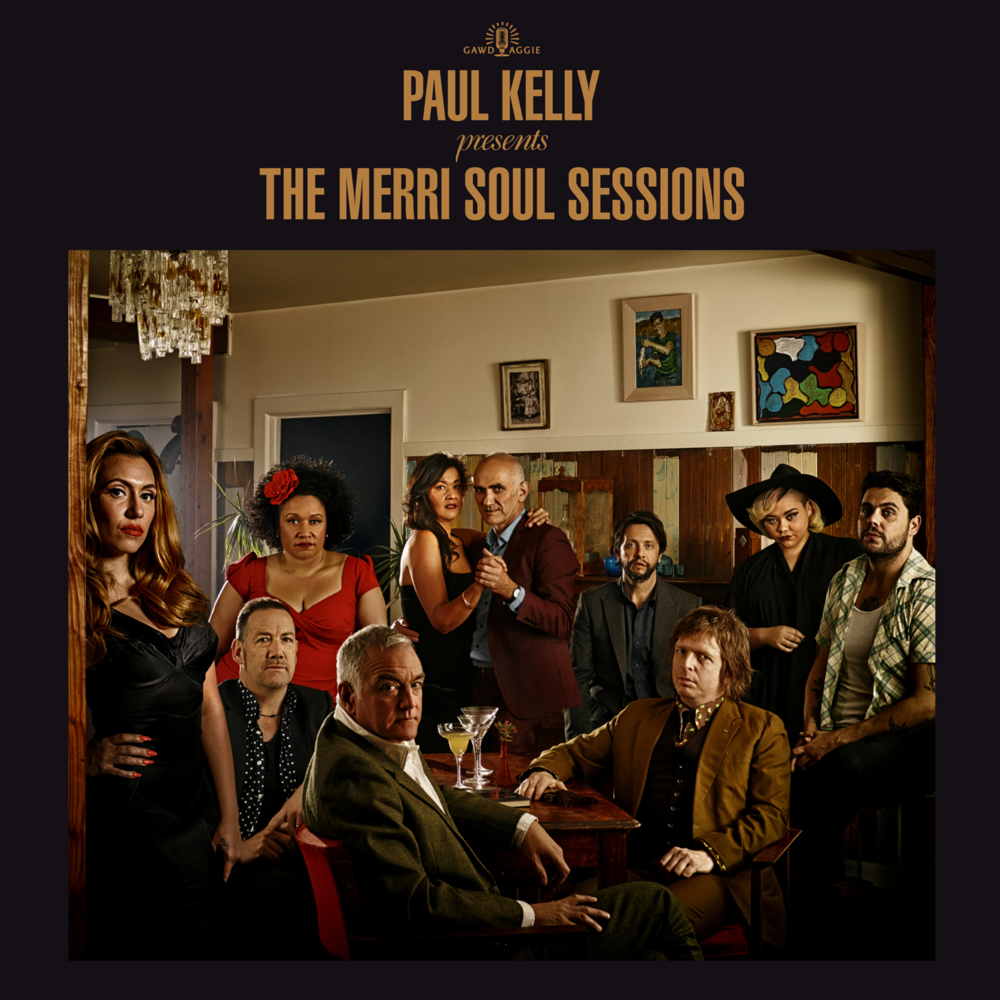
Song Meaning
Paul Kelly's "Where Were You When I Needed You" isn't just a lament; it's a scorched-earth policy enacted on a failed friendship. The song's raw emotionality is amplified by its simple, almost accusatory structure. The repeated question, "Where were you when I needed you?" cuts straight to the heart of betrayal, a primal wound inflicted by someone presumed to be a reliable ally. It's a sentiment that resonates universally because it speaks to the fundamental human need for support during times of crisis. Kelly doesn't bother with subtle metaphors; the lyrics are direct, almost confrontational, highlighting the chasm between expectation and reality. The "falling rain" serves as a classic symbol of hardship, a time when true companionship is most valued, and found wanting. The sting of abandonment is further intensified by the image of the speaker "on my knees, getting up by degrees," painting a vivid picture of vulnerability and the slow, agonizing process of recovery. The repeated assertion, "You'll never let me down again," isn't just a statement of resolve; it's a declaration of independence, a severing of ties with someone deemed irredeemable.
The venomous tone escalates in the bridge, where Kelly rejects any attempt at reconciliation. The lines, "Don't come up and say 'Hello, how are you, it's been a while!' / I don't want to hear your voice buzzing in my ear / I can't stand to see you smile," are a brutal rejection of superficial pleasantries. It's a clear message that the betrayal is too deep, the damage irreparable. The lyrics suggest a history of opportunism on the part of the absent friend, highlighted by the line, "You drank my good wine back in those fat times." This implies a parasitic relationship, where the so-called friend benefited from the speaker's success but vanished when the tables turned. This adds another layer to the analysis of the song's meaning, exposing the transactional nature of some friendships and the bitterness that arises when those transactions are revealed as inherently unequal.
Ultimately, "Where Were You When I Needed You" transcends simple heartbreak. It's a study in the psychology of betrayal, the shattering of trust, and the difficult but necessary act of self-preservation. The song's power lies in its unflinching honesty and its ability to tap into the universal experience of feeling abandoned by those we thought we could count on. The repeated phrase "Only a fool could call you a friend" works as both condemnation and a hard-won lesson. It's a song about learning to distinguish genuine connection from shallow opportunism, a process that often requires facing painful truths and ultimately choosing oneself.