Song Meaning
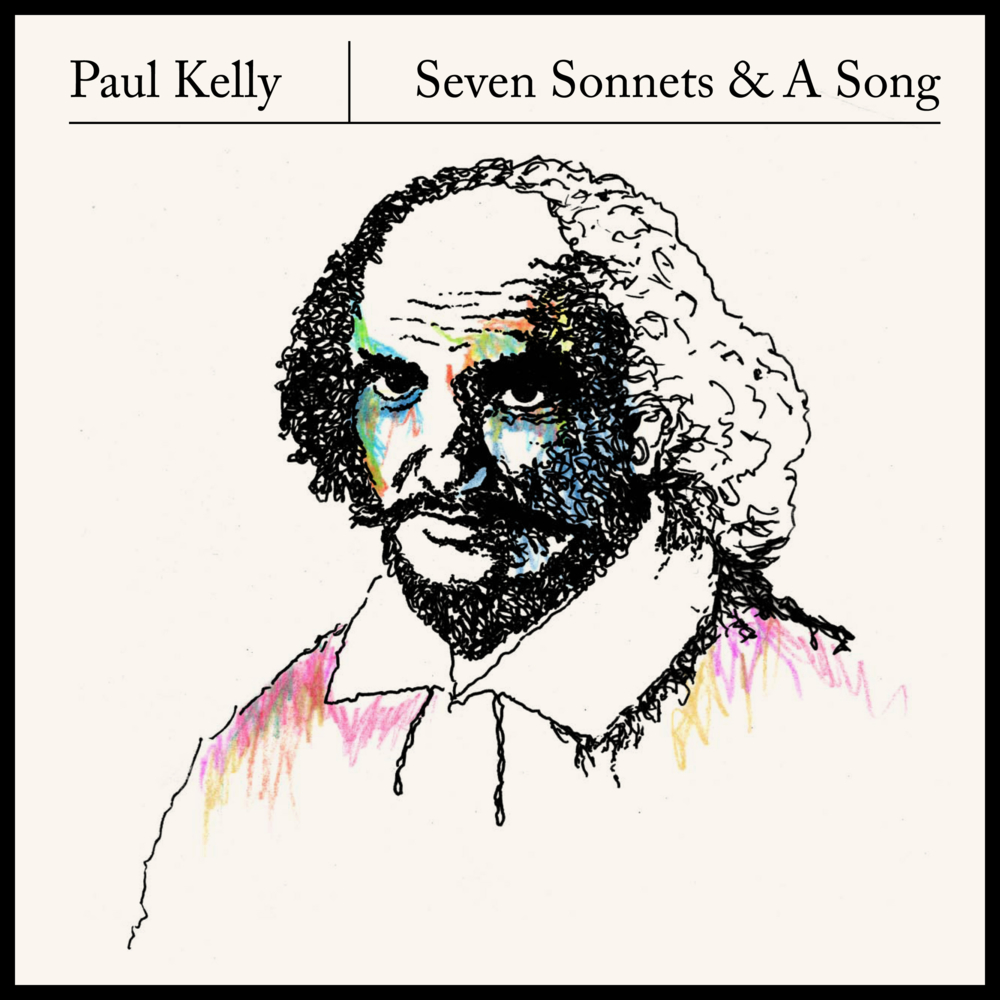
Paul Kelly's rendition of "O Mistress Mine (Clown's Song from Twelfth Night)" is not just a musical adaptation; it's a poignant meditation on time, love's urgency, and the bittersweet awareness of mortality. Kelly, known for his narrative prowess, lends his voice to Shakespeare's words, transforming the playful serenade into something richer and more emotionally complex. The song, at its core, is a carpe diem plea, urging immediate affection before youth fades. It acknowledges the fleeting nature of beauty and desire, a theme that resonates far beyond the play's comedic context. The opening lines, "O Mistress mine where are you roaming? O stay and hear, your true love's coming," aren't merely an invitation; they're a gentle prod against procrastination in matters of the heart.
The lyrics cleverly juxtapose immediate gratification with the uncertain future. "Present mirth, hath present laughter" encapsulates this philosophy, suggesting that joy should be seized in the moment. There's a subtle undercurrent of anxiety, a recognition that "what's to come, is still unsure." This isn't simply about romantic pursuit; it’s a broader commentary on the human condition, a reminder that life’s pleasures are best enjoyed without delay. The song delicately balances the carefree spirit of youth with the sobering awareness of its impermanence, creating a tension that makes the call to "come kiss me sweet and twenty" all the more compelling.
Kelly's interpretation doesn't shy away from the inherent melancholy within the original text. The final lines, "Youth's a stuff will not endure," serve as a stark reminder of time's relentless march. This isn't just a love song; it's an existential reflection on the ephemeral nature of existence. The "clown's song" label might suggest levity, but Kelly’s treatment reveals a deeper, more profound meaning. It’s a celebration of youthful exuberance tempered by the knowledge that such moments are fleeting, making the present embrace all the more precious. The song's enduring appeal lies in its ability to capture this universal human experience with wit, grace, and a touch of wistful longing.
 View Artist