Song Meaning
Paul Kelly's "Change Your Mind" isn't just a plea for affection; it's a study in the quiet desperation of unrequited longing. The song meaning hinges on the vast chasm between the speaker's intense desire and their perceived powerlessness to bridge it. He's rooted by the riverbank, a symbol of constant, unstoppable movement, mirroring his own relentless yearning. The initial lines establish the central conflict: an acceptance of certain immutable forces in nature contrasted with the frustrating inability to influence the object of his affection.
The lyrics are threaded with impossible hypotheticals – moving mountains, taming wild horses – highlighting the speaker's awareness of the absurdity of his situation. He’s trapped in a loop of wishful thinking, fantasizing about feats of immense power only to achieve the simple act of winning someone's favor. This juxtaposition of grand gestures and intimate desires underscores the emotional stakes. The repetition of the question, "(Would you) change your mind," acts as a haunting refrain, a constant reminder of the speaker's vulnerability and the uncertainty of the outcome. It's less a demand and more a fragile hope whispered into the void.
Even the subtle hint of manipulation – "Maybe when you're sleeping / I can make a spell" – reveals a deeper layer of anxiety. It suggests a fear that genuine connection is unattainable, leading to a desperate consideration of artificial means. This isn't maliciousness, but rather a manifestation of the speaker's profound insecurity and the lengths to which they’ll go to alleviate the pain of rejection. Ultimately, "Change Your Mind" captures the bittersweet ache of wanting something (or someone) just out of reach, exploring the complex emotions that arise when love feels more like an unyielding natural force than a reciprocal exchange.
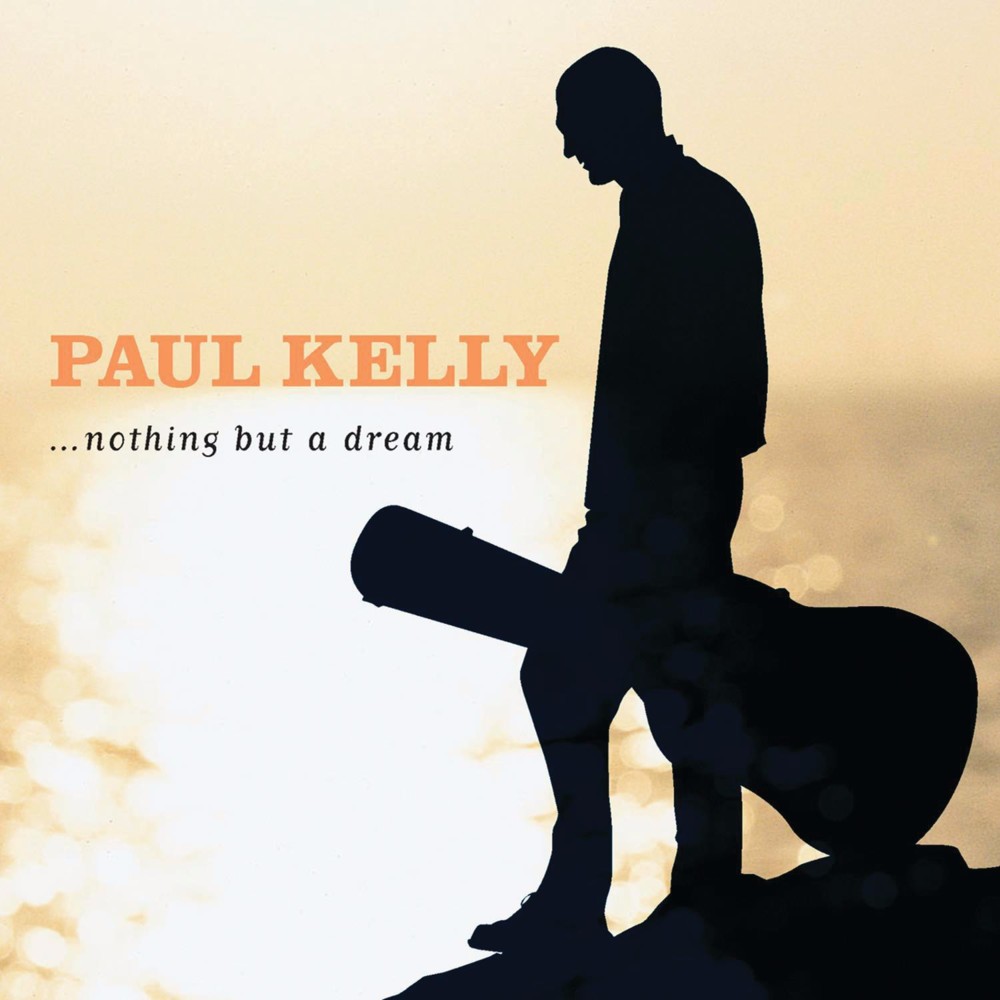
 View Artist