Song Meaning
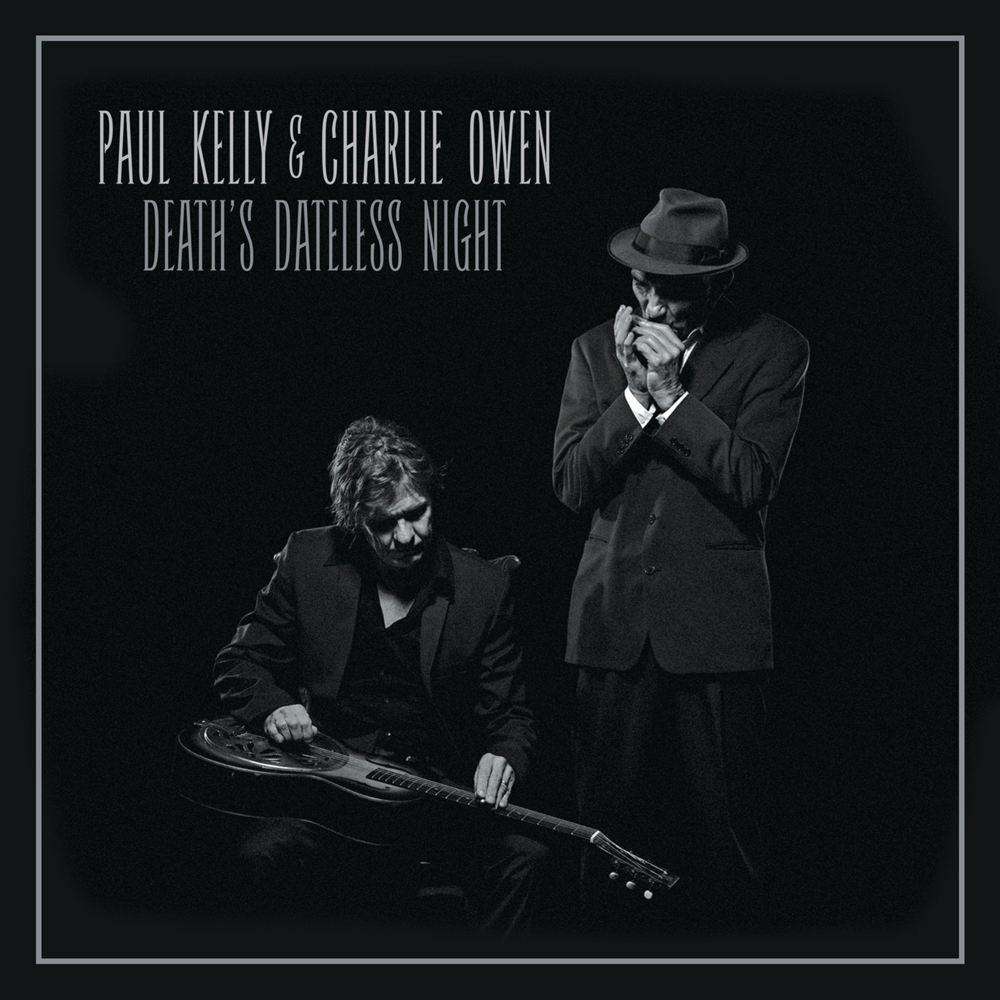
{"song_id": 11971747, "meaning": "Paul Kelly's \"Angel of Death\" isn't a gothic metal dirge, but a stark, folksy meditation on mortality, accountability, and the courage to face the inevitable. The song's skeletal structure, referencing the Book of John, strips away any romanticism surrounding death, presenting it as a stark reckoning. Kelly doesn't dwell on the mechanics of dying, but rather the psychological and moral preparedness required to meet one's end. The repeated question—\"Can you smile and say that you've been true?\"—cuts to the quick of human existence. It’s a challenge not to a deity, but to the self. Are we living in a way that allows us to greet death without flinching?
The “Angel of Death” functions less as a supernatural figure and more as a mirror, reflecting back the life lived. The lyrics paint a picture of finality – \"When the lights all grow dim / And dark shadows creep\" – a moment stripped bare of distractions. In this vulnerability, surrounded by the grief of loved ones, the question of a life well-lived becomes paramount. Kelly isn't preaching salvation or damnation, but demanding honest self-assessment. The song's power resides in its simplicity; it bypasses theological debate to focus on the core of human experience: the confrontation with our own mortality.
Ultimately, the song meaning of \"Angel of Death\" is a psychological probe, a demand for radical honesty at life's ultimate turning point. It pushes us to examine the choices we make, the values we uphold, and the legacy we leave behind. It's a stark reminder that the angel isn't something to be feared, but a consequence of how we choose to live. The true terror lies not in death itself, but in the possibility of facing it with regret and the knowledge of a life unfulfilled. Paul Kelly’s song serves as a chilling, but ultimately empowering, call to live a life worthy of a peaceful farewell."}