Song Meaning
Paul Kelly's "Huge Swells" isn't just a song; it's a masterclass in self-destructive behavior, spun with an almost theatrical flair. The lyrics paint a portrait of a man drowning not in water, but in the consequences of his own actions and the relentless gossip they fuel. The opening lines establish a post-breakup landscape where our protagonist has traded sorrow for notoriety, becoming the 'star attraction' of his own personal tragedy. But this isn't a tale of simple wallowing; it’s a performance, fueled by alcohol and regret, meticulously crafted for an audience both real and imagined. He’s keenly aware of the 'stories of me,' suggesting a deep-seated narcissism intertwined with his despair. He's not just suffering; he's curating his suffering for public consumption.
The recurring motif of the doppelganger—'a man going 'round, he looks a lot like me'—adds a layer of psychological complexity. This other 'me' is 'going down,' embodying the protagonist's worst impulses and public failures. It's a classic projection, a way to disown responsibility by externalizing the destructive aspects of his personality. The communal aspect, emphasized by the repeated invitation to 'come on down' for a 'drowning,' suggests a shared culpability. Everyone is complicit in this downward spiral, either through active participation or passive observation. The drinking isn't solitary; it's a collective ritual, a shared embrace of self-destruction.
The disorienting experience at Baker's Hall, the fragmented memories, and waking up in a 'stranger's bed' highlight the protagonist's loss of control. The final lines underscore the haunting power of these 'stories of me.' He's trapped in a feedback loop, where his actions generate tales that further define and confine him. Paul Kelly, through carefully chosen lyrics, explores the intersection of personal failing, public perception, and the stories we tell ourselves to cope with the wreckage. "Huge Swells" presents a compelling meditation on reputation, regret, and the intoxicating allure of self-destruction.
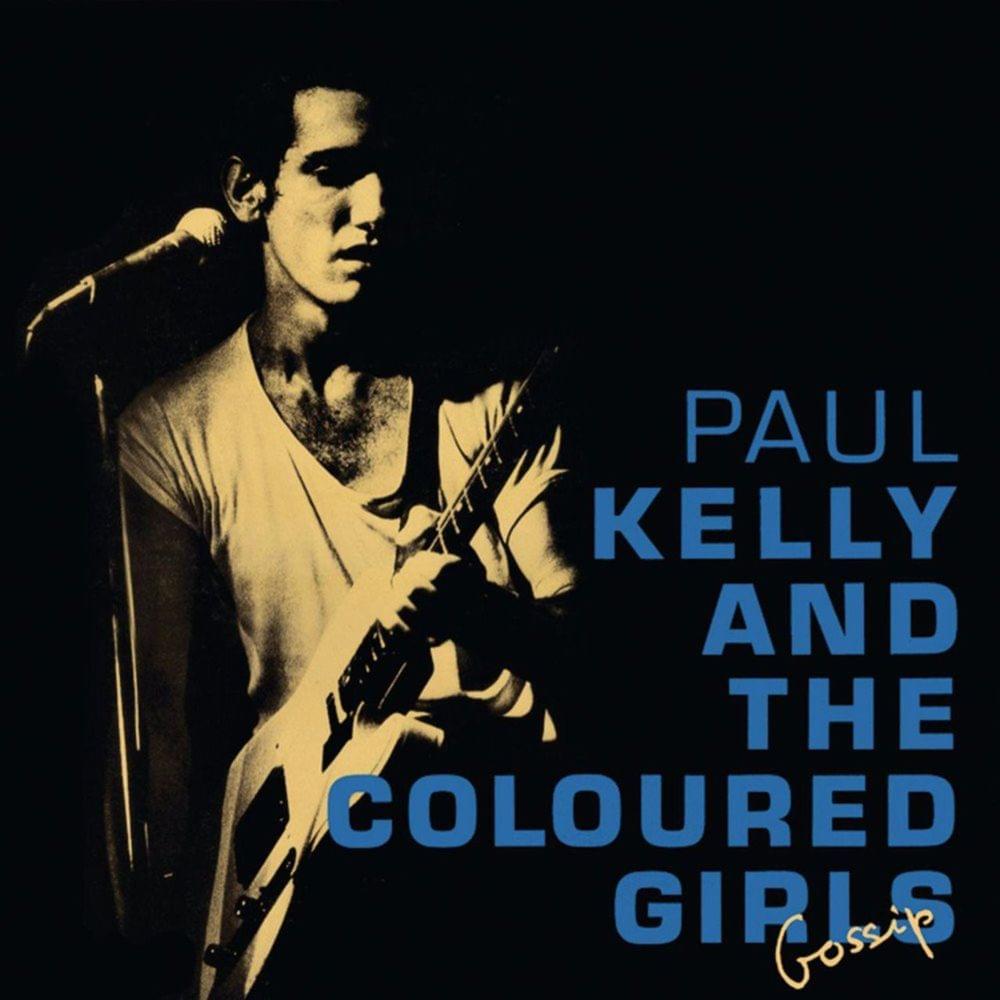
 View Artist