Song Meaning
{"song_id": 11979895, "meaning": "Paul Kelly's \"Maralinga (Rainy Land)\" isn't just a song; it's a stark, unflinching portrait of cultural and physical devastation. The deceptively simple refrain, \"This is a rainy land,\" acts as a haunting anchor, grounding the listener in a place scarred by unseen forces. The 'rain' isn't water; it's fallout, a silent, insidious poison seeping into the land and its people. Kelly's genius lies in contrasting this stark reality with the almost childlike simplicity of the lyrics, amplifying the horror through understatement. The absence of thunder and tall trees symbolizes the utter destruction of the natural world and the silencing of Indigenous voices. This is not a landscape of growth and vitality, but one stunted and poisoned. The repeated phrase emphasizes the inescapable nature of this tragedy, a constant, drizzling reminder of what has been lost. Kelly uses the recurring line to create a sense of cyclical trauma, where the past continues to haunt the present.
The song gains immense power through the inclusion of specific, first-person accounts. Yami Lester's blindness becomes a potent symbol of the blinding effects of the nuclear tests, the loss of sight paralleling a loss of understanding and control. The testimony of the 'big bangs' mistaken for the 'great snake digging holes' illustrates the profound disconnect between Indigenous knowledge and the incomprehensible violence inflicted upon them. The physical ailments—'strangeness on our skin, a soreness in our eyes'—transform the abstract concept of radiation poisoning into a tangible, visceral experience. These lines aren't just recounting history; they're embodying the lived reality of the victims. The mention of Millipuddy's experience adds another layer of complexity, highlighting the disruption of family and cultural identity.
The final verse, with its interpolation of the children's hymn \"Jesus Loves Me,\" is particularly jarring. The man's recitation of this simple faith in the face of unimaginable trauma is either a desperate plea for solace or a chilling indictment of the inadequacy of colonial belief systems to address the scale of the injustice. The juxtaposition of this hymn with the preceding accounts of suffering creates a disturbing tension, suggesting that faith, while perhaps offering personal comfort, does little to alleviate systemic oppression. The song's persistent refrain, \"This is a rainy land,\" ultimately serves as a lament, a memorial, and a call for acknowledgment of the enduring consequences of Maralinga. It's a song about the land, yes, but more profoundly, it's about the people irrevocably bound to it, their stories etched into its very soil."}
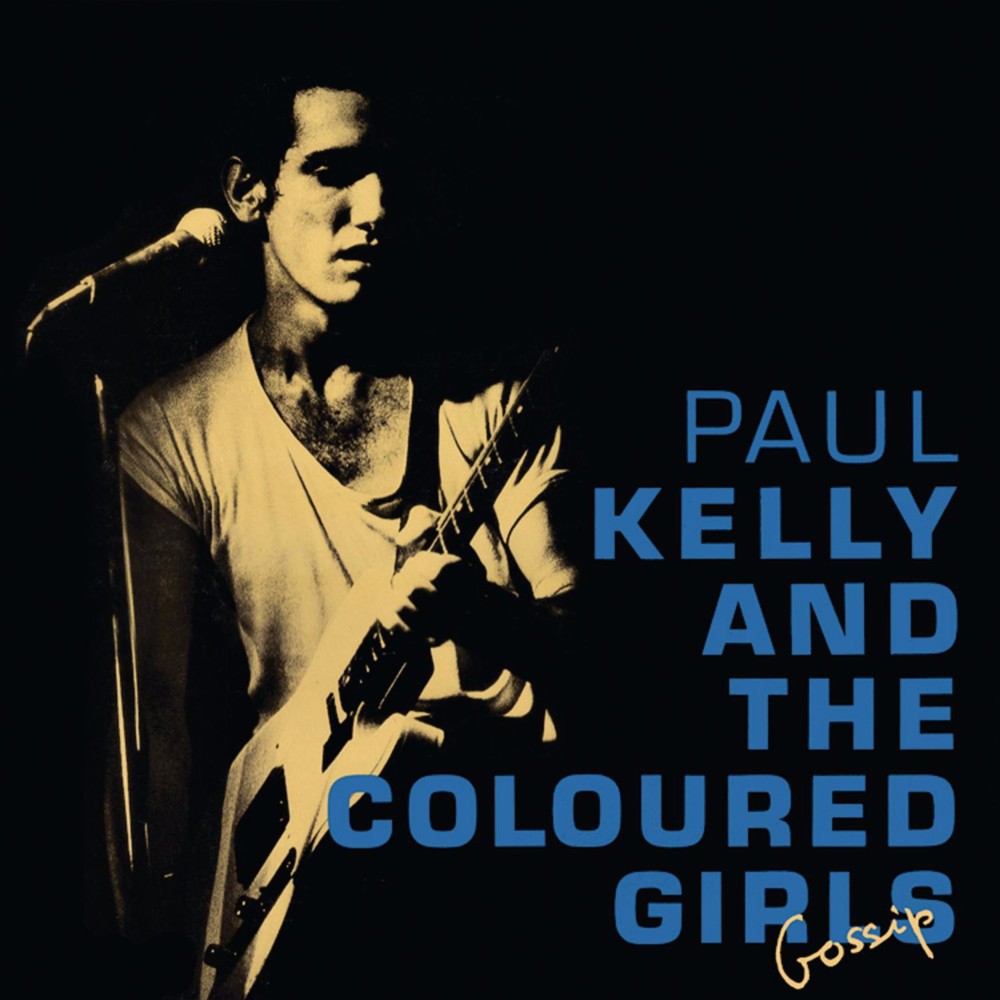
 View Artist