Song Meaning
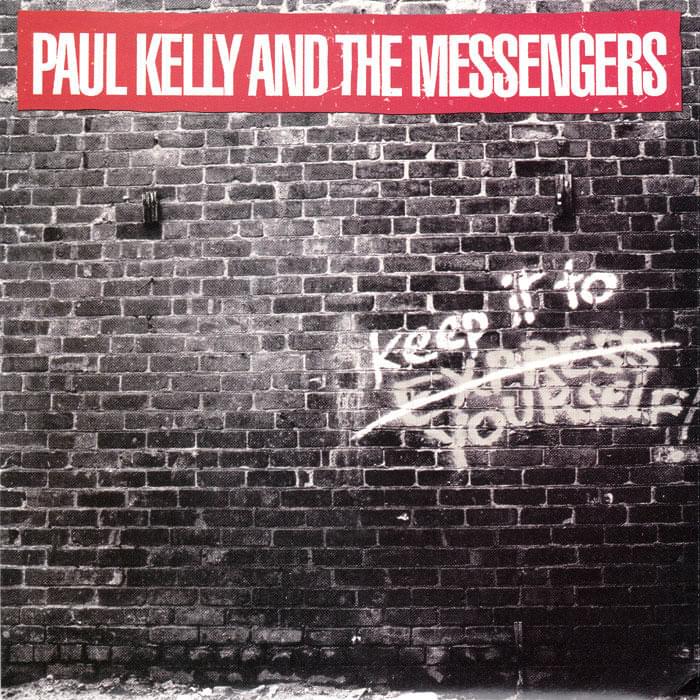
Paul Kelly's "Portent" isn't a song about grand betrayals or earth-shattering revelations; it's a masterclass in emotional pragmatism. It's the sound of a relationship navigating the messy terrain of infidelity – or, at least, the suspicion of it – with a uniquely Australian brand of world-weary acceptance. The opening lines immediately establish the distance between the narrator and his partner, a chasm widened by absence and the unspoken possibility of transgression. But instead of demanding answers or wallowing in self-pity, Kelly's narrator chooses a path of strategic ignorance: "Keep it to yourself, baby I don't want to know." This isn't necessarily forgiveness, but rather a calculated decision to preserve the relationship by avoiding the painful details. There's a profound understanding here that some wounds are best left unprobed.
The chorus reinforces this theme of willful blindness, suggesting that confession, if it must occur, should be sublimated into art: "If you want to let it out, baby save it for a song." This isn't about seeking truth, but about managing its impact. The narrator isn't interested in "honesty" or "descriptions blow by blow"; he's prioritizing the relationship's survival over some abstract notion of moral purity. The bridge, with its observation that "we're living in amazing times," offers a broader perspective. The partner's "little crimes" are rendered insignificant against the backdrop of a rapidly changing world. This isn't to excuse the behavior, but to contextualize it, to diminish its power to destroy.
The final verse deepens the complexity. The narrator admits to loneliness ("I've been sleeping on my own"), but also acknowledges the existence of a life outside the relationship ("many places in the sun, and many corners without you"). This hints at a quiet self-sufficiency, a recognition that his happiness isn't entirely dependent on his partner's fidelity. The concluding lines, "Keep it to yourself, and I'll keep my secrets too," suggest a mutual understanding of the unspoken, a pact to maintain the illusion of stability by concealing their respective transgressions. The song meaning of "Portent" lies not in the drama of infidelity itself, but in the quiet negotiation of its consequences, in the delicate balance between knowing and not knowing that defines so many long-term relationships. It's a song about the art of compromise, the acceptance of imperfection, and the pragmatic choices we make to keep love alive, even in its most compromised forms.
 View Artist