Song Meaning
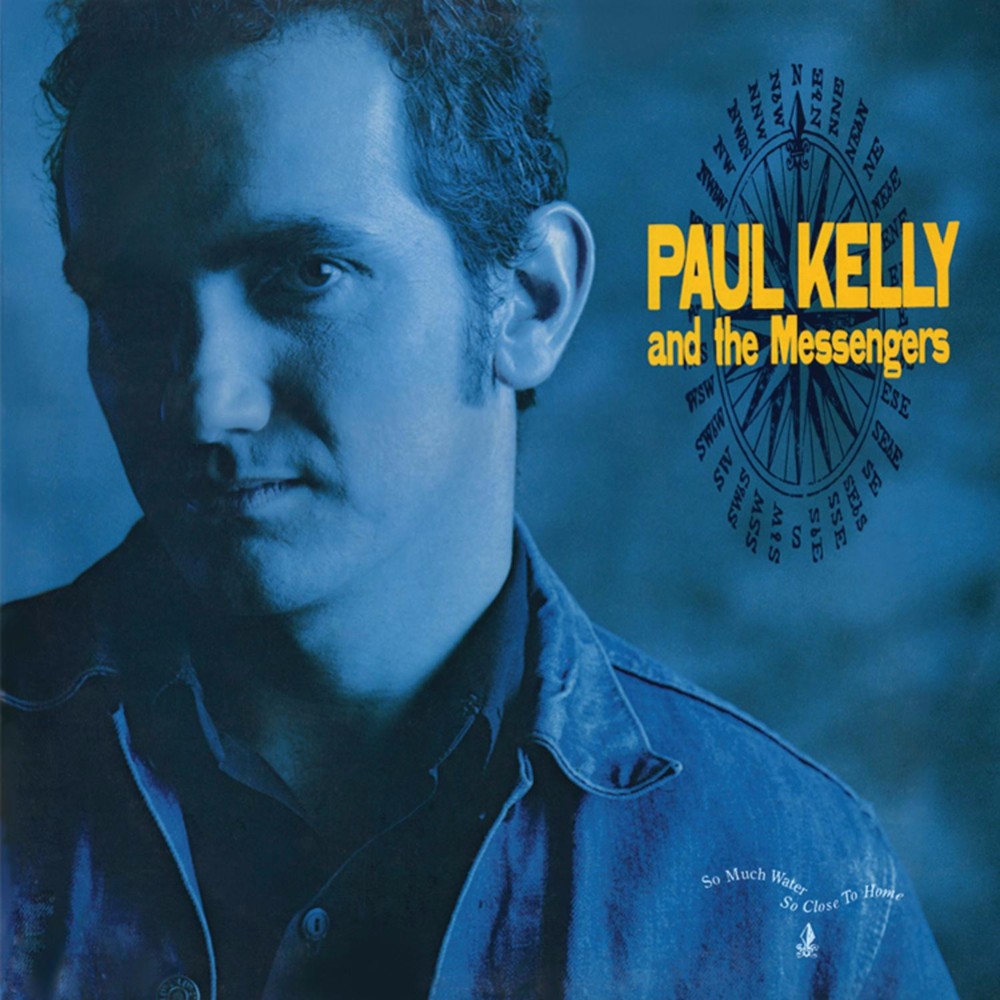
Paul Kelly's "Cities of Texas" isn't a travelogue; it's a stark meditation on impermanence. The wind, personified as a timeless observer, isn't just a weather pattern but a force of entropy, watching civilizations bloom and crumble. It's a haunting perspective, seeing human achievement as ultimately transient against the backdrop of geological time. The repeated refrain, "Cities of Texas, my lovely ones, shining in the sun," drips with a bittersweet affection, almost like a eulogy spoken in advance. The 'shining' cities are beautiful, yes, but also vulnerable, destined for the same fate as all that came before. The wind's claim to turn "your high glass back to shifting sand" is not a threat, but an inevitability.
Kelly's lyrics cleverly play with scale. The wind encompasses everything – "out from your deserts, down from your melting snows, over the ocean right across your land." This vastness contrasts sharply with the fragile specificity of the "Cities of Texas." It highlights the disproportionate impact of nature's forces versus human ambition. The line "I'm gonna cover you by degrees" is particularly chilling. It suggests a slow, inexorable decline, a gradual erasure rather than a sudden cataclysm. This makes the song more psychologically unsettling than a simple disaster narrative; it's the creeping awareness of decay that truly unnerves.
Ultimately, "Cities of Texas" uses the Texas landscape as a microcosm for the human condition. It’s a reminder that even our most impressive creations are temporary, subject to the indifferent forces of nature and time. The song's beauty lies in its acceptance of this reality, finding a strange comfort in the cyclical nature of existence. The wind, in its detached observation, embodies a kind of stoic wisdom, acknowledging the ephemeral nature of human endeavors while still recognizing their fleeting loveliness. It's a song about perspective, about the humbling truth that we are all, in the end, just passing through.
 View Artist