Song Meaning
The lyrics paint a stark picture of a life lived in subservience and simmering resentment, culminating in a violent reckoning. The narrator describes a past characterized by "shadows" and "following orders," suggesting a life devoid of agency. This period of passive existence is sharply contrasted with the anticipation of a pivotal event: "Before the old man died." This refrain acts as a temporal marker, separating a past of obedience from a future of liberation, or perhaps, retribution.
The central tension lies in the narrator's transformation from a dutiful follower to someone driven by a desire for vengeance. The shift is marked by a turn towards "whispers" and the creation of "songs," implying a subversion of the established order through covert communication and artistic expression. This clandestine activity directly precedes the violent act, suggesting that the "songs" were not just art but a catalyst or a plan for action against the "old man."
The most striking element is the raw, almost primal motivation revealed in the third verse. The narrator and his "brother" harbored deep-seated anger over the "way he ruined our mother," a grievance so profound that "not enough blood can run." This familial trauma fuels their "plans" and the chilling detail of the narrator "cleaned the gun." The lyrics suggest a collective, inherited rage that finally finds an outlet.
This narrative's power comes from its brutal honesty and the stark imagery it employs. The contrast between the passive "shadows" and the active "cleaning the gun," the quiet "whispers" and the explosive act of "the old man died," creates a palpable sense of dread and inevitable release. The repeated refrain "Before we came alive" powerfully underscores the idea that their true existence, their agency, was only possible after this act of violent liberation.
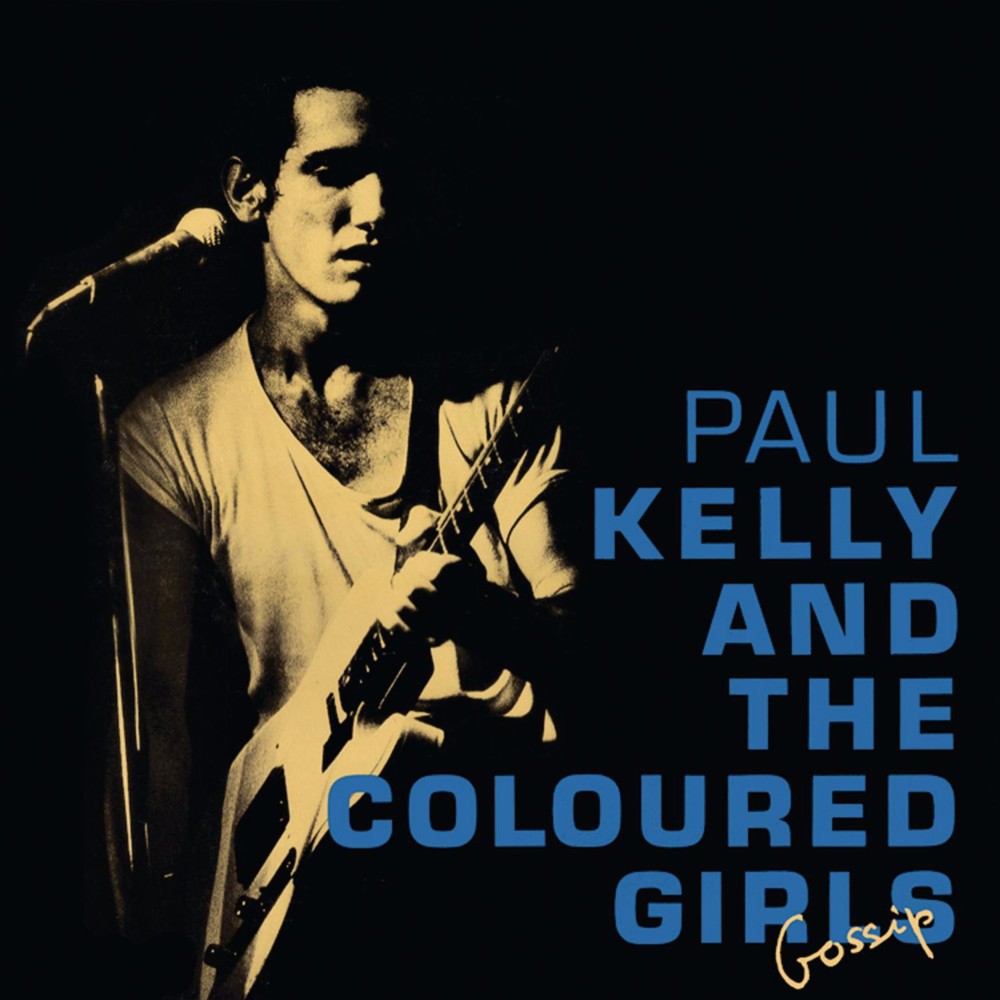
 View Artist