Song Meaning
The lyrics present a defiant declaration of unwavering affection, framed by a series of impossible scenarios. The narrator lists a cascade of unnatural transformations – the sun turning purple, the sea turning turtle, wine becoming water, sadness shifting to laughter – all to emphasize a point. These are not just minor changes; they are fundamental inversions of natural order, suggesting that even the most profound alterations to reality are less significant than the narrator's steadfast love. The repeated assertion, "you could never make me love you more," acts as an unshakeable anchor against any attempt to alter the depth of their feelings.
The core tension lies in the contrast between the other person's perceived ability to manipulate reality and their inability to influence the narrator's core emotion. The narrator acknowledges the other's power to enact fantastical changes, yet simultaneously dismisses its relevance to their own heart. This creates a dynamic where the other person's grand gestures are ultimately rendered impotent, highlighting the absolute and unassailable nature of the narrator's love. It’s a powerful statement of emotional self-possession.
The most striking craft element is the relentless catalog of hyperbole. The imagery escalates from color shifts and animal transformations to elemental decay – stars falling, leaves browning, forests dying, wells running dry. This progression from the merely strange to the apocalyptic underscores the narrator's absolute certainty. By invoking such extreme, world-ending events, the lyrics suggest that only the complete cessation of existence could possibly diminish their love. The sheer scale of these imagined disasters amplifies the singular, unchanging nature of the narrator's devotion.
Ultimately, these lyrics resonate because they articulate a profound and absolute commitment. The writing doesn't just state love; it builds an unassailable fortress around it using the language of the impossible. The repetitive structure reinforces the unwavering resolve, making the declaration feel less like a plea and more like an immutable fact of the narrator's existence. It’s a powerful, almost elemental, expression of devotion that finds its strength in the very impossibility of its negation.
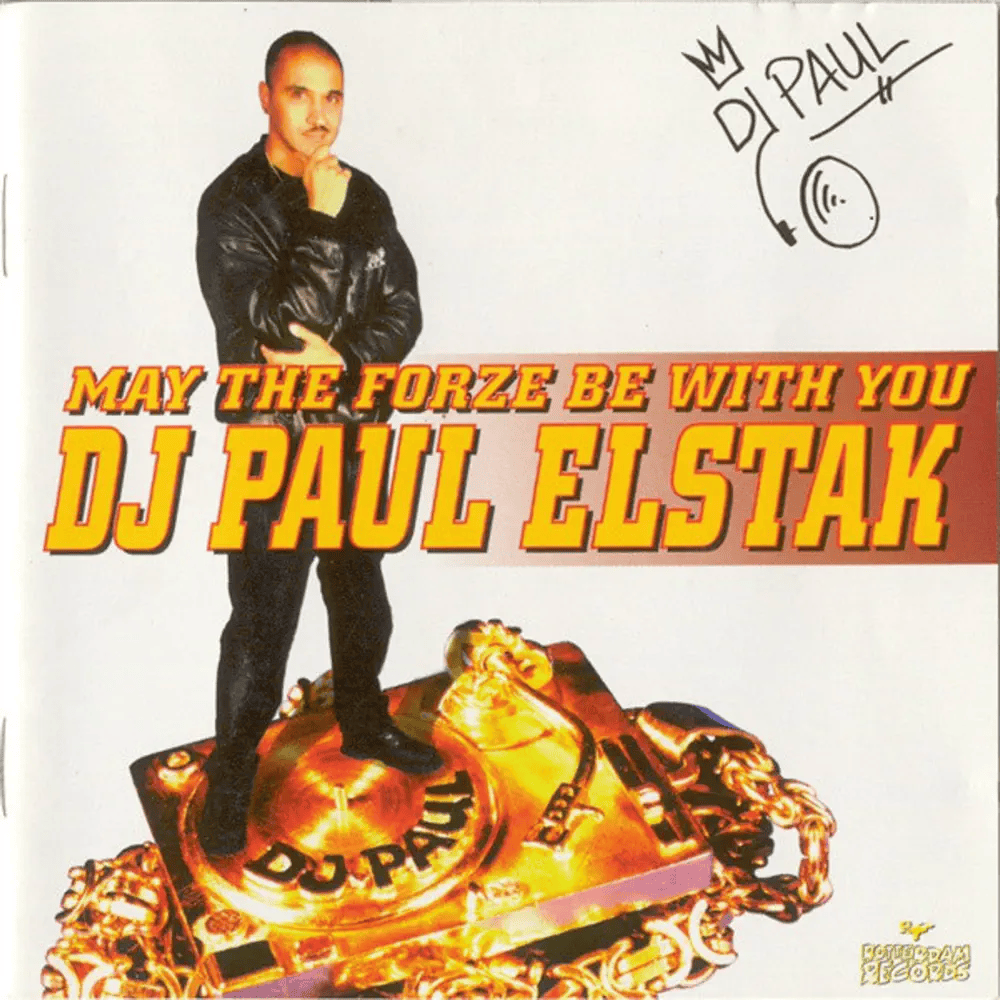
 View Artist