Song Meaning
The narrator grapples with a persistent pattern of self-deception and avoidance. They acknowledge a tendency to "fly out" and "climb out," suggesting a flight response or an active effort to escape reality rather than confront it. This pattern is deeply ingrained, as they admit to "mak[ing] it up on my own" and a failure to "listen" to their own inner voice or external truths. The phrase "I'm in remission" hints at a temporary reprieve from a recurring struggle, implying this cycle isn't entirely new.
The core tension lies in the inability to "pretend" any longer, marked by the desire for "no more wide eyes." This signifies a loss of innocence or a forced confrontation with harsh realities that can no longer be ignored. The repeated "I can't pretend" underscores a breaking point, where the facade is crumbling. Simultaneously, the narrator asserts "no morning cries" and "it's not the end," suggesting a defiant hope or a determined effort to reframe the situation, even as the "wide eyes" close.
The lyrics employ a striking contrast between the passive state of "wide eyes" – often associated with naivete or wonder – and the active, painful realization that "I can't pretend." The repeated questioning, "How long will I...?" emphasizes the duration and exhaustion of this internal conflict. The shift from "making it up on my own" to acknowledging a need for a "remedy" and rejecting blame for "past life tragedy" shows a move towards accountability, even if the path forward is uncertain.
This emotional arc is effective because it captures the exhausting nature of maintaining a false reality. The simple, declarative statements in the chorus, like "I can't pretend" and "it's not the end," land with significant weight against the backdrop of the narrator's self-confessed avoidance. It’s this raw admission of struggle, coupled with a flicker of resilience, that makes the lyrics resonate.
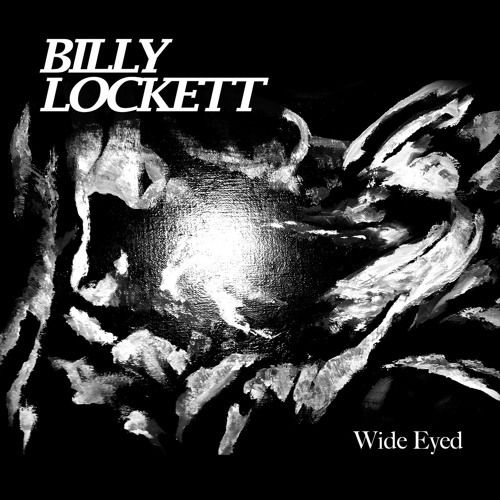
 View Artist