Song Meaning
The lyrics open with a stark concession, the speaker admitting, "It's me who's wrong, you are right." This immediate self-blame sets a tone of weary acceptance, yet it's quickly followed by a curious musing: "Maybe in this life one can have more." It hints at a deep-seated longing beneath the surface agreement.
This desire for "more" is immediately explored through vivid, contrasting images. The lyrics juxtapose a list of abundance – "so much green, so much gold, so much fire" – against a stark counterpoint of emptiness and loss, including "so much desert, so much regret, so much salt." This creates a powerful tension, suggesting the speaker is grappling with life's overwhelming extremes, both positive and negative.
The craft here lies in the repetitive, almost chant-like structure of the "Tanto" lists, which translate to "so much" or "so many." These aren't just descriptions; they feel like a mental inventory, a cataloging of a life experienced in overwhelming quantities, from "Tanto di tutto" (so much of everything) to "Tanto di niente" (so much of nothing). The inclusion of "salt" is particularly sharp, evoking tears, bitterness, or the barrenness of a salt flat, contrasting sharply with the vibrant "green" and "gold."
The final verse introduces a crucial shift. After acknowledging the vast swings between "everything" and "nothing," the speaker addresses a new presence: "Unknown and naked now there is you." This vulnerable introduction transforms the general desire for "more" into a direct, personal expectation: "I know you will give me." It suggests that this new, unadorned connection might be the source of the desired abundance, or perhaps the way to reconcile the extremes, leaving the listener with a sense of hopeful, yet still uncertain, anticipation.
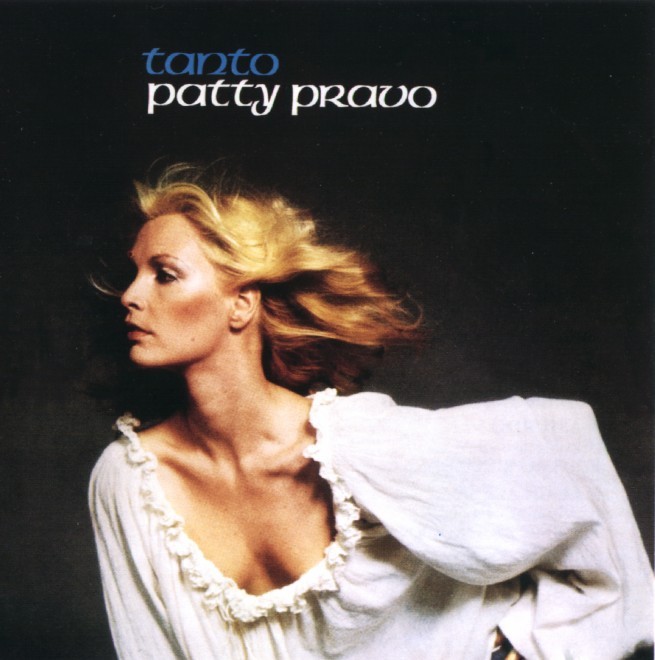
 View Artist