Song Meaning
The lyrics paint a stark picture of a past relationship where the narrator felt insignificant and unaware, contrasting sharply with the perceived completeness of their former partner. The opening lines establish this dynamic: "I... who was nothing / You... you who knew everything." This sets up a narrative of the narrator's journey from a state of unknowing to one of taking on what they believed to be truth, only to realize that truth was embodied by the person they lost. The central tension lies in this belated recognition of what was truly valuable.
The core of the song seems to revolve around the narrator's profound regret for a lost connection. After acknowledging that the "truth" they sought was actually their partner, they admit to taking "so many others" – perhaps other experiences or relationships – but none held the same genuine substance. The repeated phrase "di vero in fondo al cuore" (truly deep in the heart) emphasizes that only the regret for the lost "us" remains authentic. This highlights a sense of missed opportunity and a deep-seated ache for what once was.
The most striking aspect of the writing is the cyclical nature of self-perception and the passage of time. The narrator admits, "I didn't understand anything," while the partner "knew everything." Later, the narrator reflects, "years have passed / You are no longer you / And every day a man dies / And every day another is born." This suggests a personal evolution, a shedding of old selves, yet this transformation doesn't erase the fundamental loss. The final lines, "Free deep in the heart / The tears remain for me / That I feel inside / Still today / When I see... you," bring the narrative full circle, showing that despite the changes, the emotional residue of the past relationship persists.
What makes these lyrics resonate is their unflinching portrayal of self-awareness arriving too late. The contrast between the narrator's initial ignorance and their current, painful understanding of what they lost creates a powerful emotional arc. The focus on "rimpianto" (regret) as the sole remaining authentic feeling underscores the depth of the narrator's sorrow and the enduring impact of the relationship, even as life moves on and selves transform.
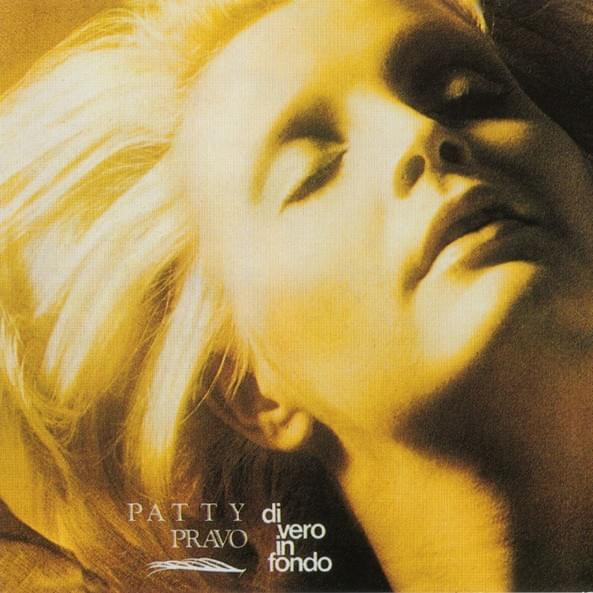
 View Artist