Song Meaning
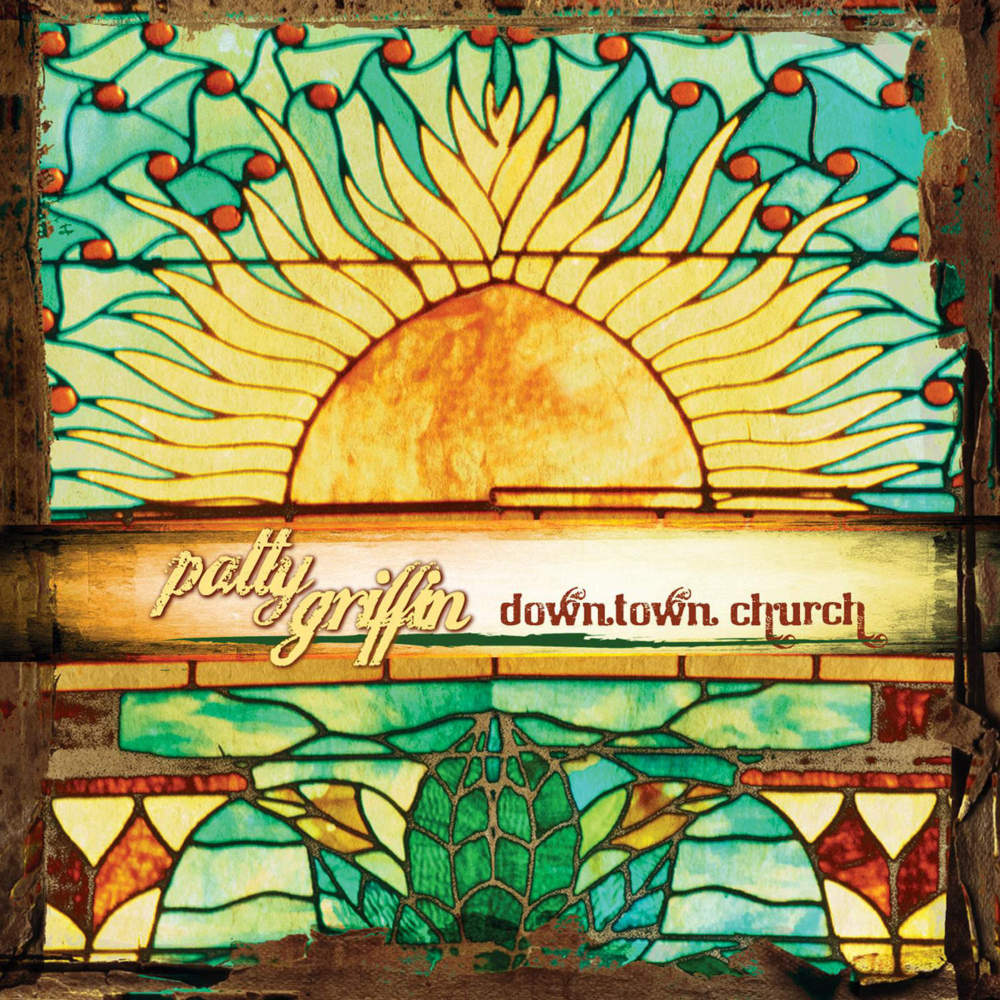
Patty Griffin's rendition of "All Creatures of Our God and King" isn't just a hymn; it's a visceral invocation of interconnectedness. Stripped of overt dogma, the song, in Griffin's hands, becomes a raw, almost primal expression of reverence. The lyrics, simple in their construction, build a layered tapestry of praise, beckoning not just humanity but the cosmos itself—moon, wind, water, fire—to join in a unified chorus. It's a brilliant exercise in sonic world-building, where the sacred isn't confined to a church but permeates the very air we breathe. Griffin seems less concerned with theological precision and more focused on the emotional reality of awe. The repeated "Alleluia" isn't a rote recitation; it’s a spiraling expression of joy and gratitude, potent in its simplicity. The song meaning resides not just in the words, but in the implied understanding that we are all, in some fundamental way, participants in something larger than ourselves.
Griffin's interpretation sidesteps the potential for saccharine sentimentality by grounding the hymn in a more earthy, almost pagan sensibility. The focus on natural elements—the rushing wind, the flowing water, the masterful fire—shifts the emphasis from a purely anthropocentric view of divinity to one that acknowledges the inherent sacredness of the natural world. This subtle recalibration is crucial. It invites listeners to consider their place within the broader ecosystem, suggesting that our relationship with the divine is inextricably linked to our relationship with the planet. The lyrics analysis reveals a nuanced understanding of faith as not just a matter of belief, but a practice of mindful engagement with the world around us.
Ultimately, Patty Griffin transforms "All Creatures of Our God and King" into a powerful meditation on unity and interconnectedness. It's a reminder that praise can take many forms—a song, a sigh, a moment of quiet contemplation under the rising moon. The genius lies in its ability to make the grand feel intimate, to collapse the distance between the human and the divine, the earthly and the celestial. Through Griffin's voice, the hymn transcends its traditional context, becoming a universal call for reverence, urging us to recognize the sacred in every rustle of leaves and every flicker of light.
 View Artist