Song Meaning
Patty Griffin's "A House Of Gold" doesn't whisper; it shouts a timeless gospel truth, a stark warning against the seductive allure of earthly riches. The song meaning resides in its blunt juxtaposition: material wealth versus spiritual salvation. Griffin, a master of emotional excavation, doesn't mince words about the corrupting influence of greed. She paints a vivid picture of a world consumed by avarice, where people "steal, they cheat and lie / For wealth and what it will buy," blind to the ephemeral nature of their gains. The looming "judgement day" serves as a stark reminder that earthly treasures are ultimately worthless. Griffin implies that chasing gold is a fool's errand, a dangerous distraction from what truly matters.
The emotional core of "A House of Gold" lies in the stark choice it presents: a "deep, dark grave" with a saved soul versus a life of luxury built on spiritual compromise. This isn't subtle moralizing; it's a gut-level plea for redemption. The repeated calls to "sinner, hear me when I say / Fall down on your knees and pray" are delivered with the urgency of a spiritual advisor. Griffin positions faith as the ultimate safety net, a means of escaping the consequences of sin and securing a place in a higher realm. The lyrics reference Jesus's sacrifice and promise of eternal life, framing faith as the only path to true and lasting fulfillment.
"What good is gold and silver, too / When your heart's not good and true?" Griffin pointedly asks. This lyric encapsulates the song's central theme: the futility of material wealth in the face of spiritual emptiness. The song's simplicity is its strength, and its message is direct and unwavering. Griffin's raw, emotive vocal performance underscores the gravity of her words, transforming "A House of Gold" from a simple gospel tune into a potent meditation on mortality, morality, and the enduring power of faith.
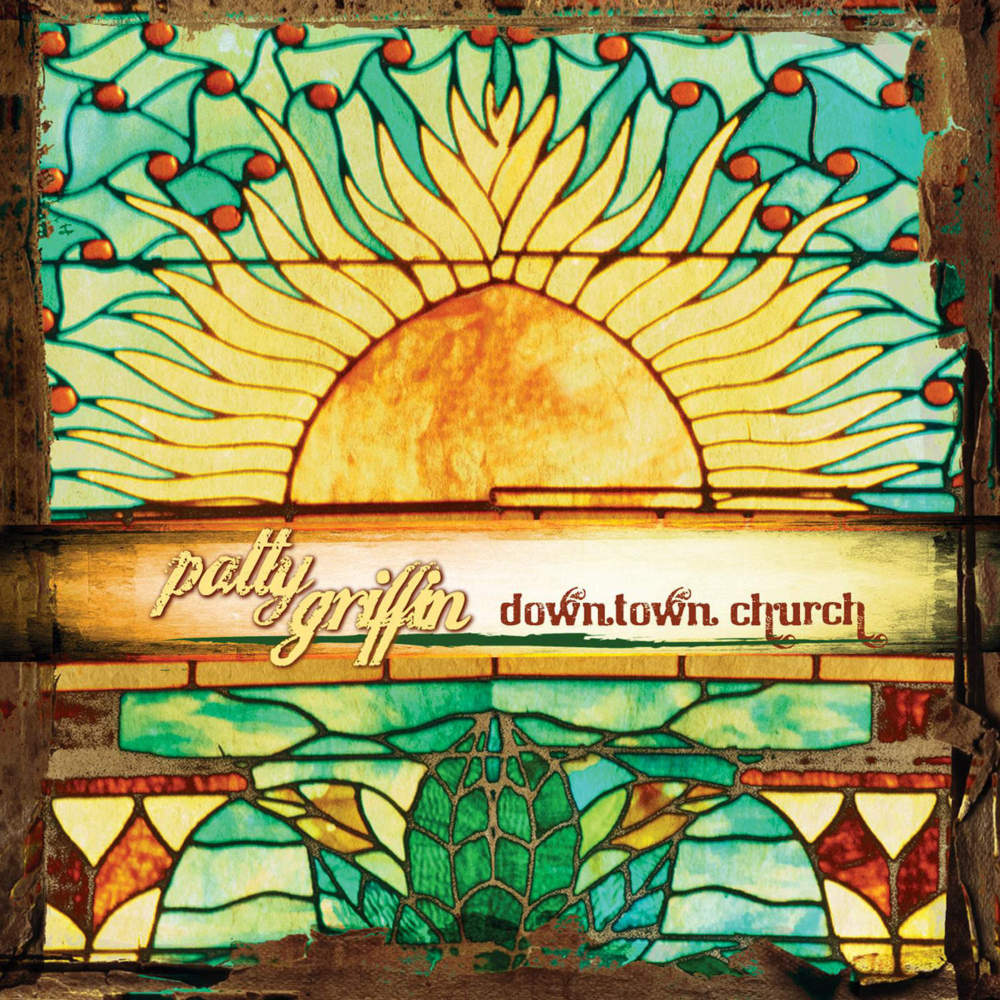
 View Artist