Song Meaning
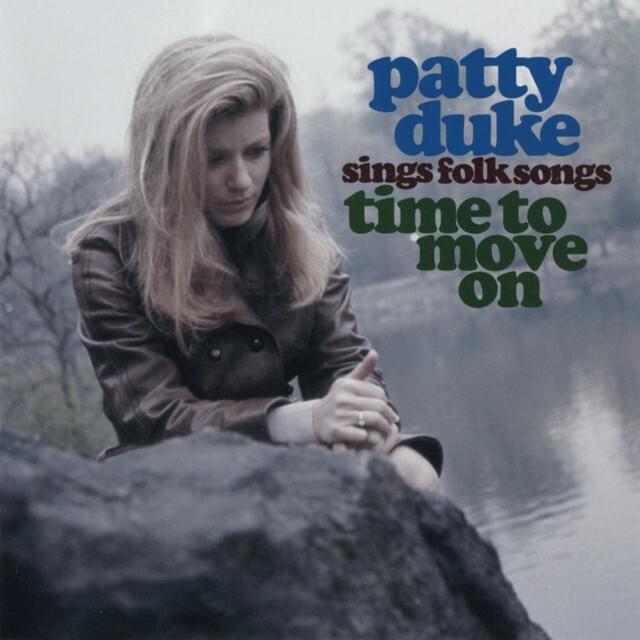
Patty Duke's rendition of "The Bells of Rhymney" resonates far beyond a simple folk melody; it's a haunting echo of social and economic injustice, amplified by the collective voice of a suffering community. The song, steeped in Welsh history and labor struggles, uses the metaphor of chiming bells from various towns to represent distinct cries of anguish and protest. Each location's bells articulate a specific grievance, weaving together a tapestry of despair and simmering anger against the mine owners who exploit the working class. The recurring question, "And what will you give me?" posed by the 'sad bells of Rhymney,' acts as a mournful refrain, a demand for fairness and a better future that seems perpetually out of reach.
The lyrical structure cleverly uses the unique sound of each town's bells – 'brown bells of Merthyr,' 'black bells of Rhondda,' 'grim bells of Blaina' – to paint a sonic landscape of oppression. This not only adds depth to the song's musicality but also highlights the pervasive nature of the exploitation. The bells don't just lament; they accuse. Phrases like "Who made the mine owner?" and "Who robbed the miner?" are direct challenges to the power structures that perpetuate inequality. The song's brilliance lies in its ability to transform individual suffering into a collective outcry, a shared experience of injustice felt across the Welsh valleys.
Beneath the surface of social commentary, "The Bells of Rhymney" explores the psychological impact of systemic oppression. The repetition of 'if, if, if, if, if...' from the 'green bells of Cardiff' suggests a paralyzed hope, a yearning for change stifled by the overwhelming power of the oppressors. Even the 'silver bells of Wye' offer only a fragile comfort, a fleeting moment of peace amidst the widespread turmoil. Patty Duke's interpretation captures this emotional complexity, transforming a historical narrative into a timeless reflection on human resilience and the enduring struggle for social justice. The song meaning transcends its specific historical context, becoming a universal anthem for those who feel unheard and exploited.
 View Artist