Song Meaning
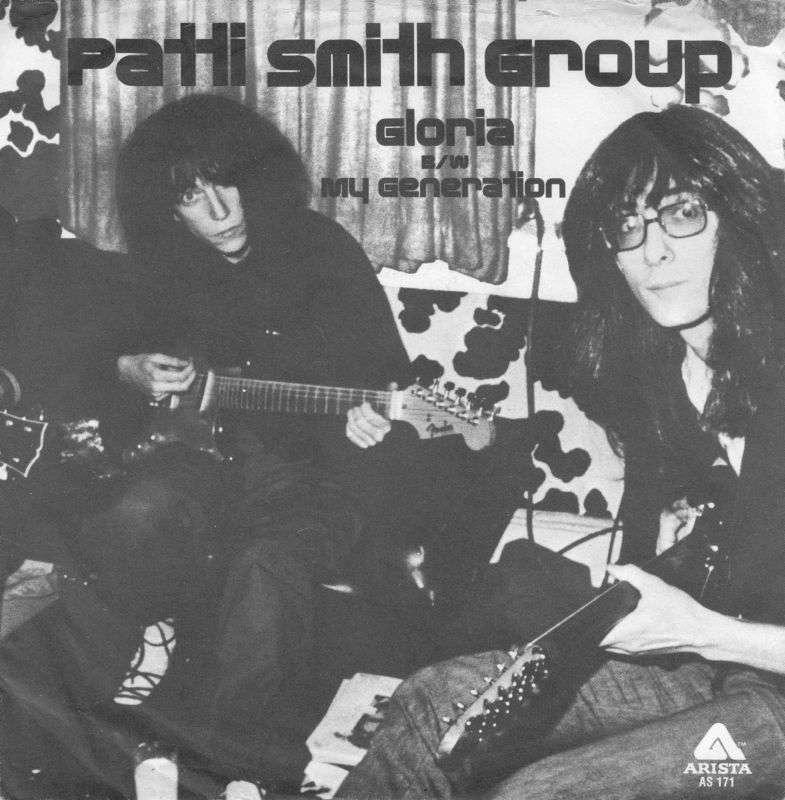
Patti Smith's raw, almost violently defiant take on "My Generation" isn't so much a cover as it is a hostile reclamation. Shedding the original Who's youthful angst for something far more confrontational, Smith, alongside John Cale, transforms the song into a snarling manifesto of generational ownership. The stammering repetition, initially a sign of youthful awkwardness in the original, becomes in Smith's hands a weaponized stutter, a deliberate act of resistance against those who would silence or diminish her cohort. This version isn't about teenage kicks; it's about a conscious, collective identity forged in opposition. Smith’s delivery drips with disdain for established power structures. Her insistence that she doesn't need their "fucking shit" is a primal scream against societal constraints, a declaration of independence that borders on nihilism with the line "I hope I die because of it." The stark contrast with Cale's almost detached, art-rock delivery in the second chorus amplifies the song's internal tension, highlighting the multifaceted nature of generational identity itself.
Cale's interjections and the minimalist arrangement strip away the rock bravado of the original, leaving a skeletal framework upon which Smith builds her sermon of youthful rebellion. The spoken-word-esque delivery, particularly in the repeated "My generation, baby," feels less like a celebration and more like a mantra, a hypnotic assertion of presence in a world that seeks to erase or ignore them. The recurring chant emphasizes the collective nature of this identity, while also hinting at the vulnerability beneath the surface. It's not just about being young; it's about the shared experience of being young in a specific time and place, facing specific challenges.
The final lines, "Oh, so young/I'm so goddamn young/We created it, let's take it over," encapsulate the song's true meaning. It's a call to arms, a demand for agency, and a recognition of the power inherent in youth. Smith isn't just talking about her generation; she's urging them to seize control of their narrative, to reject the limitations imposed upon them, and to actively shape the world in their own image. The simplicity of the lyrics belies the depth of their challenge, a challenge that resonates far beyond the confines of any single generation.
 View Artist