Song Meaning
The lyrics paint a picture of a complicated, possibly love-triangle dynamic involving "we three." The narrator is caught between two desires: one for the person they address, and another for "another," who is also identified as "your brother." This creates an immediate tension, a sense of wanting something or someone that is either unavailable or perhaps even forbidden, leading to a desperate plea to not have hope taken away. The recurring phrase "You say you want me / I want another" highlights this central conflict, a push and pull between present affection and a lingering, unfulfilled desire.
The emotional core of the song seems to reside in this yearning and the fear of losing hope. The narrator observes the other two individuals, noting their dreams and wishes, which often involve the "brother." This suggests a deep, perhaps even unsettling, connection between the two others, which the narrator witnesses and feels excluded from. The line "Oh, the stars shine so suspiciously / For we three" and later "Oh, the dice roll so deceptively / For we three" imbues the situation with a sense of fate or predetermined, yet ambiguous, outcomes. It feels like a game of chance where the narrator is not entirely in control.
A particularly striking element is the narrator's identification with the brother. In the bridge, they state, "Oh, the way that I see him is the way I see myself." This suggests a profound, almost mirror-like connection, blurring the lines of identity and desire. It raises questions about whether the narrator's desire for "another" is truly for a separate person, or a projection of their own unmet needs, perhaps even a desire to merge with or understand the brother through this mirrored perception. The repeated plea, "Baby, please, don't take my hope away from me," underscores the fragility of the narrator's emotional state amidst this complex web of relationships and self-perception.
Ultimately, the effectiveness of these lyrics lies in their ambiguity and the raw emotional vulnerability they convey. The narrator isn't just expressing romantic longing; they're grappling with identity, desire, and the fear of a future where their hopes are dashed. The subtle shifts in imagery, from "stars" to "dice" to "time is the key," suggest a search for meaning and control in a situation that feels increasingly out of their hands. The repeated, desperate plea acts as an anchor, grounding the listener in the narrator's profound emotional stakes.
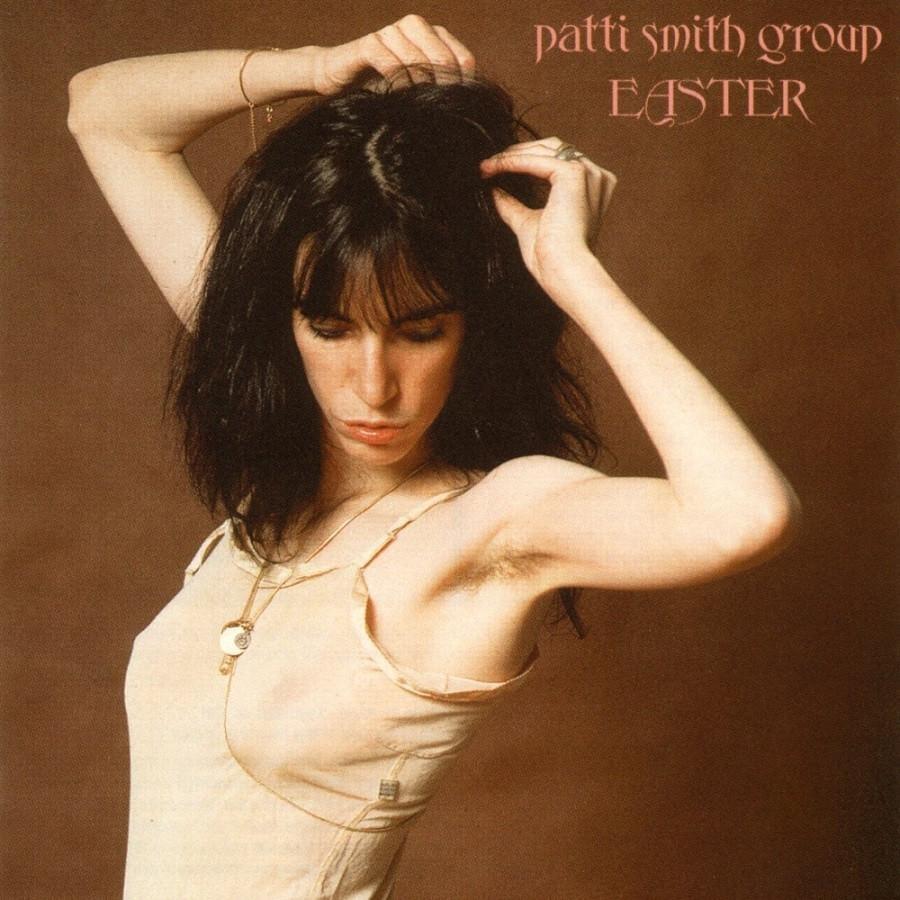
 View Artist