Song Meaning
The narrator is witnessing the slow death of a relationship, a realization that hits with a quiet, almost resigned finality. It's not a sudden breakup, but a fading away, a loss of spark that's become undeniable. The repeated phrase, "The thrill is gone," acts as a somber refrain, underscoring the central theme of a love that's lost its magic. The narrator can literally see and hear the evidence of this decline in their partner's eyes, sighs, and touch, making the conclusion unavoidable.
The core tension lies in the contrast between a past that was vibrant and a present that is now hollow. The lyrics paint a picture of a love that was once full of life, where "birds were singin', skies were blue." This idyllic past makes the current state, where "nights are cold" and the partner is no longer appealed by the relationship, all the more poignant. It’s the ache of remembering what was and facing what is.
The most striking aspect of the writing is its directness and the use of sensory details to confirm the emotional truth. The narrator doesn't just *feel* the end; they *see* it, *hear* it, and *feel* it through physical cues. This grounding in tangible experience makes the abstract concept of a lost thrill feel incredibly real and heavy. The repetition of "The thrill is gone" hammers home the inescapable nature of this realization.
This lyrical approach is effective because it bypasses grand pronouncements for a stark, honest assessment. The narrator’s decision to stop pretending and acknowledge "the end" feels earned, stemming from observable evidence rather than just a whim. It captures that specific, gut-wrenching moment when you know something beautiful is irrevocably over, even if the outward signs are subtle.
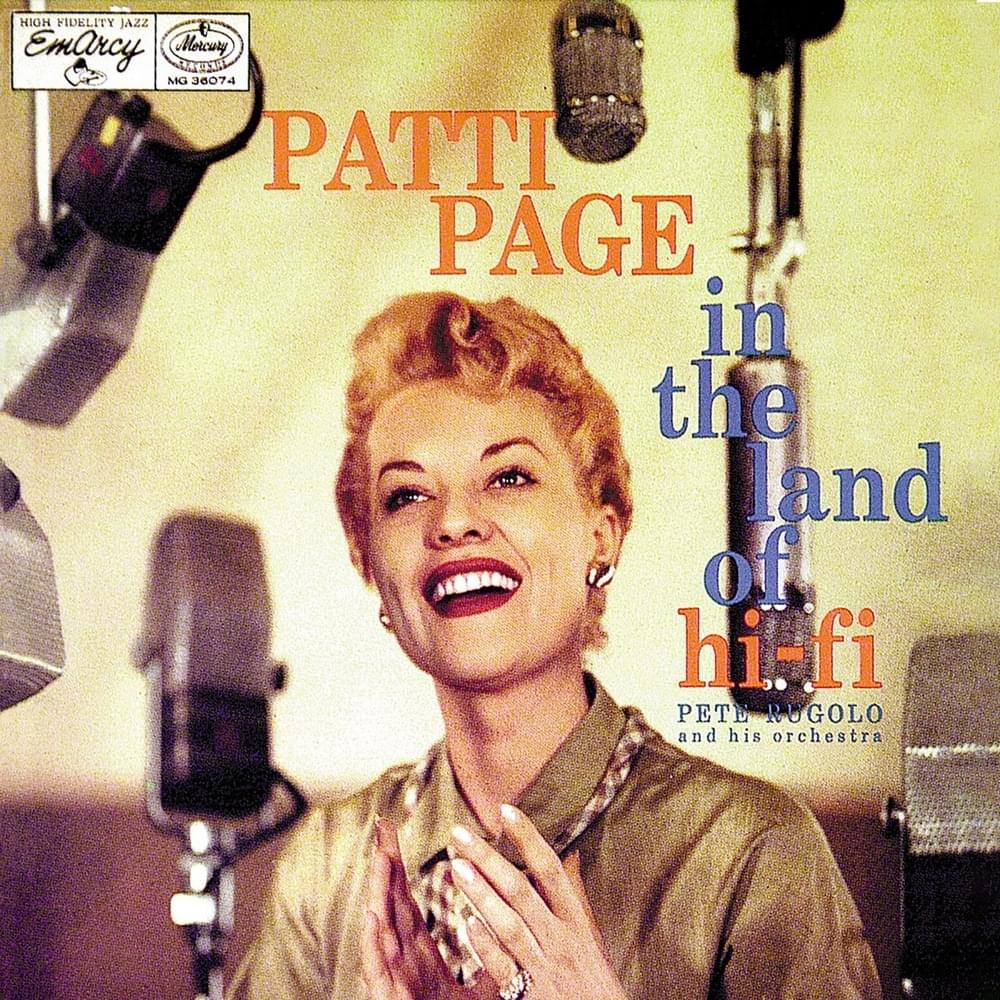
 View Artist