Song Meaning
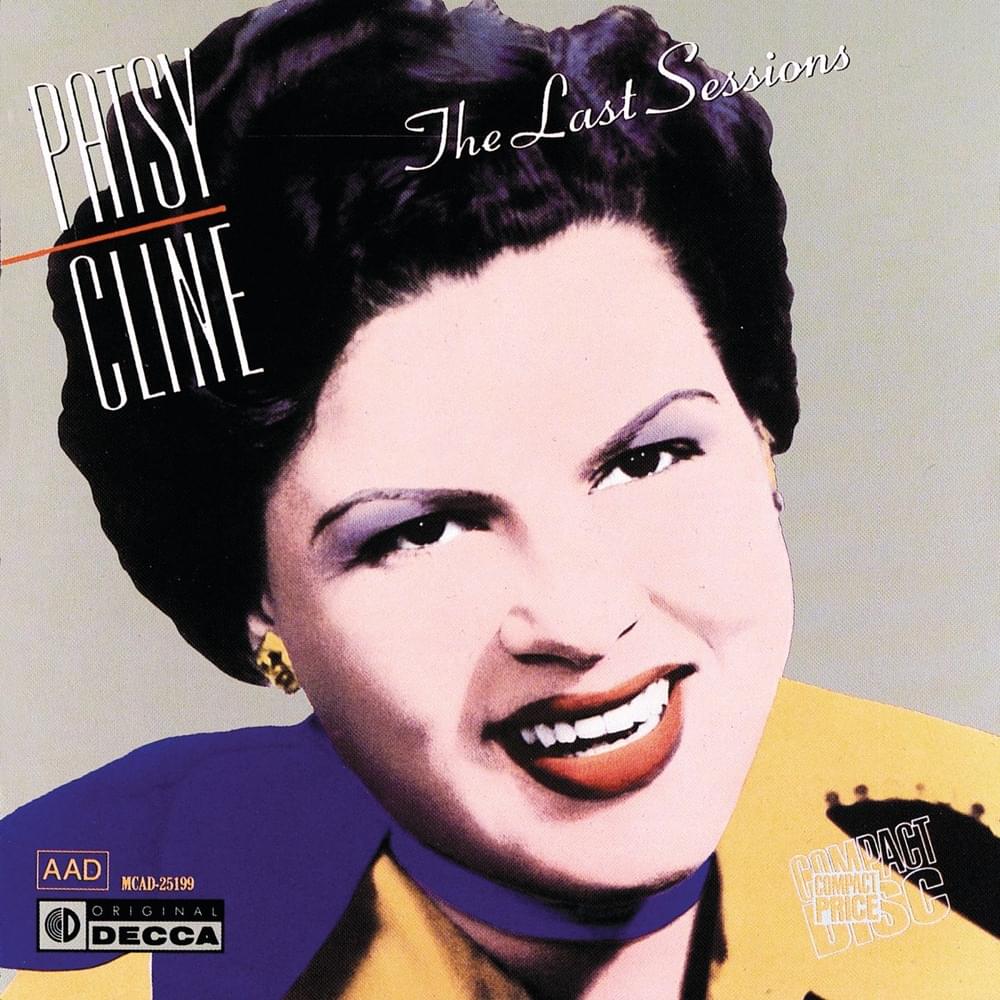
{"song_id": 11161170, "meaning": "Patsy Cline's \"Met Gala\" (likely a misattributed title, as this song is widely known as \"I Fall to Pieces\" or \"Someday You'll Want Me To Want You\") drips with the bittersweet ache of unrequited love and the slow burn of impending indifference. The song meaning pivots on a future reversal of fortunes, a psychological turning of the tables where the object of affection finally recognizes the singer's worth—but only *after* she's moved on. It’s a fantasy of vindication, whispered with a vulnerability that makes it all the more potent. Cline doesn’t present herself as a scorned woman raging against the injustice, but rather as someone quietly enduring, steeling herself for a future where she no longer cares.
The genius of the lyrics lies in their understanding of human nature and relationship dynamics. The opening lines, \"I know that someday you'll want me to want you / When I'm in love with somebody new,\" establish the core tension: a premonition of regret on the part of the beloved, triggered by the singer's newfound happiness with someone else. The expectation of continued devotion, \"You expect me to be true / And keep on loving you,\" highlights the inherent imbalance of the relationship, the one-sided nature of the affection. The repetition of \"And then, I won't want you\" in the outro isn't just a refrain; it’s a mantra, a declaration of self-preservation against the emotional damage.
What elevates this song beyond a simple tale of heartbreak is the subtle power dynamic at play. It's not just about losing love; it's about reclaiming agency. The singer acknowledges the present pain (\"Though I am feeling blue\"), but refuses to be defined by it. The song's core message underscores a powerful truth: the ultimate revenge isn’t bitterness or spite, but the quiet, resolute act of moving on and finding happiness elsewhere. The wistful melody, combined with Cline's signature vocal delivery, only amplifies the poignant blend of sorrow and strength that defines the song's enduring appeal."}
 View Artist