Song Meaning
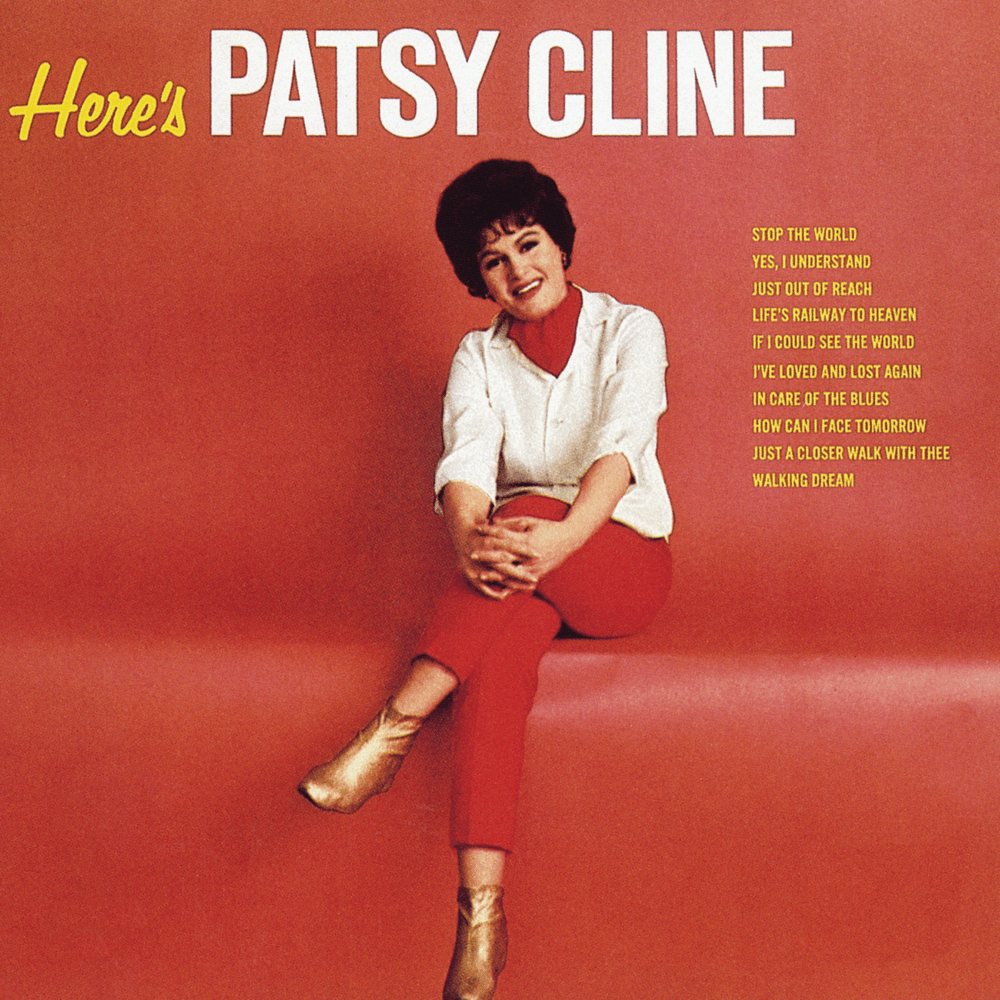
Patsy Cline's lament, "I've Loved and Lost Again," isn't just a country ballad; it's a pointed commentary disguised as heartbreak. The song's surface reads as a simple tale of romantic misfortune, but scratch deeper and you'll find Cline dissecting the shifting sands of societal values, specifically regarding love and commitment. The repeated line, "I've loved and lost again," becomes less a personal failing and more a weary observation on the transient nature of relationships. The world, as she sees it, is "crazy" precisely because the rules of engagement have changed.
Cline isn't merely wallowing; she's actively questioning the modern (for the time) devaluation of fidelity. The lyrics, "To be true to one alone / Don't seem to matter anymore," cut to the quick. She's voicing a fear that commitment is becoming an antiquated concept, a relic of a bygone era. The almost sarcastic barb, "They tell you you're out of style / Unless you've had three or four," drives home the sense that serial relationships are now the norm, a twisted status symbol replacing genuine connection. This isn't just about personal heartbreak; it's about the heartbreak of watching societal values erode.
The genius of "I've Loved and Lost Again" lies in its deceptively simple structure. It's a classic country lament, yes, but it also serves as a sly critique of the changing social landscape. Cline’s delivery, tinged with both vulnerability and a world-weary resignation, elevates the song beyond a simple tale of lost love. It’s a snapshot of a cultural moment, a quiet rebellion against the perceived superficiality of modern relationships. The song's meaning resonates even now, decades later, because the tension between seeking lasting love and navigating a world of fleeting connections remains a constant struggle.
 View Artist