Song Meaning
{"song_id": 11160127, "meaning": "Patsy Cline's \"Dear God\" isn't just a hymn; it's a raw, almost desperate plea born from the chasm between aspiration and action. The song's meaning hinges on this central conflict: the speaker acknowledges a profound moral failing, a consistent inability to live up to the religious principles professed on Sundays. It's a cycle of piety and transgression, a human condition laid bare with unflinching honesty. The opening lines establish this pattern of repentance followed by relapse, a struggle familiar to anyone who's grappled with their own imperfections. The acknowledgement, \"I break them on Monday / The rest of the week / I do as I please,\" isn't defiant; it's a confession of weakness. The narrator isn't attempting to justify their behavior, but rather highlighting the depth of their dependence on divine intervention. They understand their unworthiness, yet they still turn to God.
The genius of \"Dear God\" lies in its simplicity. There's no theological grandstanding, no complex metaphors. The lyrics speak to a fundamental human need for redemption. The reference to \"carryin's on / Of some of our neighbors\" subtly expands the scope of the song beyond personal failing. It hints at a broader societal decay, a collective forgetting of faith. This suggests that the speaker's struggle isn't isolated, but rather a reflection of a wider cultural malaise. The question, \"Then we have the nerve / To ask is it too late?\" is a potent expression of anxiety about the consequences of widespread moral compromise.
Ultimately, the song meaning of \"Dear God\" resides in its vulnerability. The repeated chorus, \"I know I'm not worthy / But I need you so,\" is a powerful statement of faith in the face of self-acknowledged inadequacy. The plea for help, \"Please won't you hurry / And help me turn back from / The path I have trod,\" conveys a sense of urgency and desperation. Patsy Cline delivers these lines with a characteristic blend of strength and fragility, making the listener feel the weight of the speaker's burden. \"Dear God\" is not a song of triumph, but of hope—a testament to the enduring human need for forgiveness and the possibility of redemption, even when we feel most lost."}
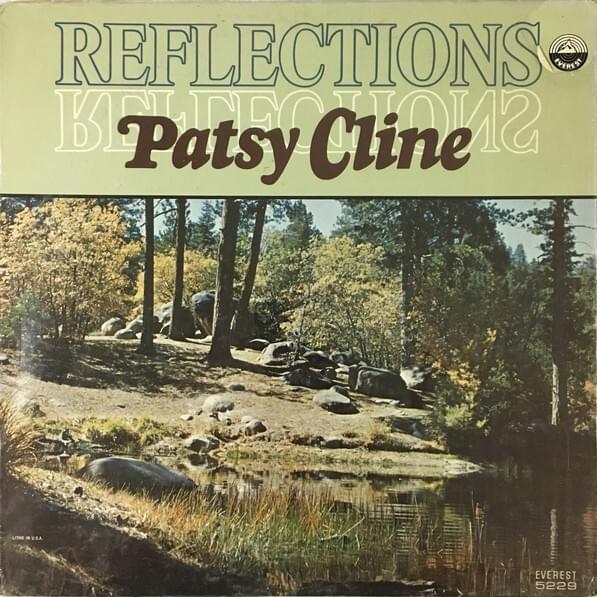
 View Artist