Song Meaning
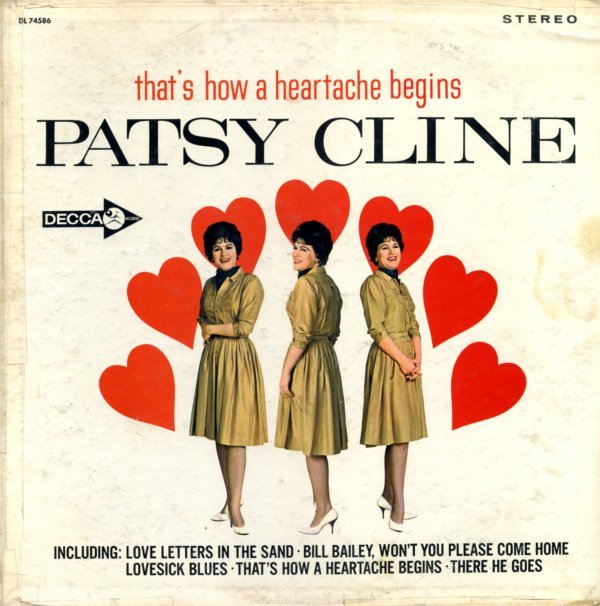
Patsy Cline's rendition of "Bill Bailey, Won't You Please Come Home" drips with a desperate, almost theatrical remorse, transforming a Tin Pan Alley standard into a raw plea for reconciliation. The lyrics paint a picture of a woman consumed by regret, bargaining with absence itself. She offers domestic subservience ("I'll do the cooking, honey, I'll pay the rent") as if reducing herself to a caricature of wifely duty might somehow rewind time and undo her transgression. This isn't just about wanting Bill Bailey back; it's about confronting the self-loathing that festers when we recognize our own capacity for cruelty.
The emotional core of the song lies in the stark admission, "I know that I'm to blame and ain't that a shame." There's a recognition that her actions—driving Bill Bailey out "with nothing but a fine tooth comb"—were not merely impulsive but profoundly damaging. The "fine tooth comb" detail is particularly telling; it suggests a stripping bare, a deliberate act of dispossession and perhaps emasculation. Now, she's left to grapple with the consequences, her shame amplified by the echoing emptiness of their home. The song's repeated refrain is less a charming request and more a mantra of self-punishment.
Cline’s interpretation elevates the song beyond its vaudevillian roots, infusing it with a palpable sense of vulnerability. The seemingly simple structure—plea, confession, repetition—becomes a window into the psychology of guilt and the lengths to which we'll go to atone for our mistakes. The song's meaning isn't just about a lost love; it's about the painful process of acknowledging our flaws and begging for a second chance, knowing full well that forgiveness might be forever out of reach. It's a timeless exploration of the messy, imperfect human heart.
 View Artist