Song Meaning
The lyrics paint a stark picture of two people grappling with the aftermath of a shared past, one convinced of their own escape and the other still mired in its consequences. The narrator addresses someone who believes they've 'survived it all,' brushing off past mistakes and aiming to forget. This perceived salvation is built on a foundation of self-deception, a refusal to acknowledge the 'love we threw away.' The contrast between the two perspectives immediately sets up a central tension: the illusion of freedom versus the inescapable weight of memory.
The core conflict lies in the narrator's inability to move on, directly confronting the other's willful ignorance. While the other person is urged to 'laugh out loud' and 'sleep so much,' the narrator insists on being the 'story' that will eventually be regretted. This isn't just about remembering; it's about the lingering impact of shared experiences and the guilt that one person carries while the other attempts to outrun it. The repeated phrase 'Non pensarci' (Don't think about it) becomes a mantra for avoidance, highlighting the desperate attempt to silence painful truths.
The most striking element is the shift in perspective between the verses. The first verse is directed at the 'you' who believes they've moved on, while the second verse is a direct internal confession from the 'I' who hasn't. This structural choice emphasizes the narrator's isolation and their struggle to reconcile their own feelings with the other's apparent indifference. The repetition of 'Non credo' (I don't believe) in the second verse directly counters the 'Tu credi' (You believe) of the first, underscoring the profound divergence in their emotional realities and the narrator's deep-seated pain.
Ultimately, these lyrics resonate because they capture the painful disconnect when one person feels irrevocably changed by a shared experience, while the other acts as if it never happened. The narrator's insistence on being the 'story' that will be 'denied when awake' and 'regretted forever' is a powerful articulation of unresolved trauma and the haunting presence of the past. It’s a raw depiction of how shared history can leave one person stranded, forever tied to the wreckage the other has so confidently left behind.
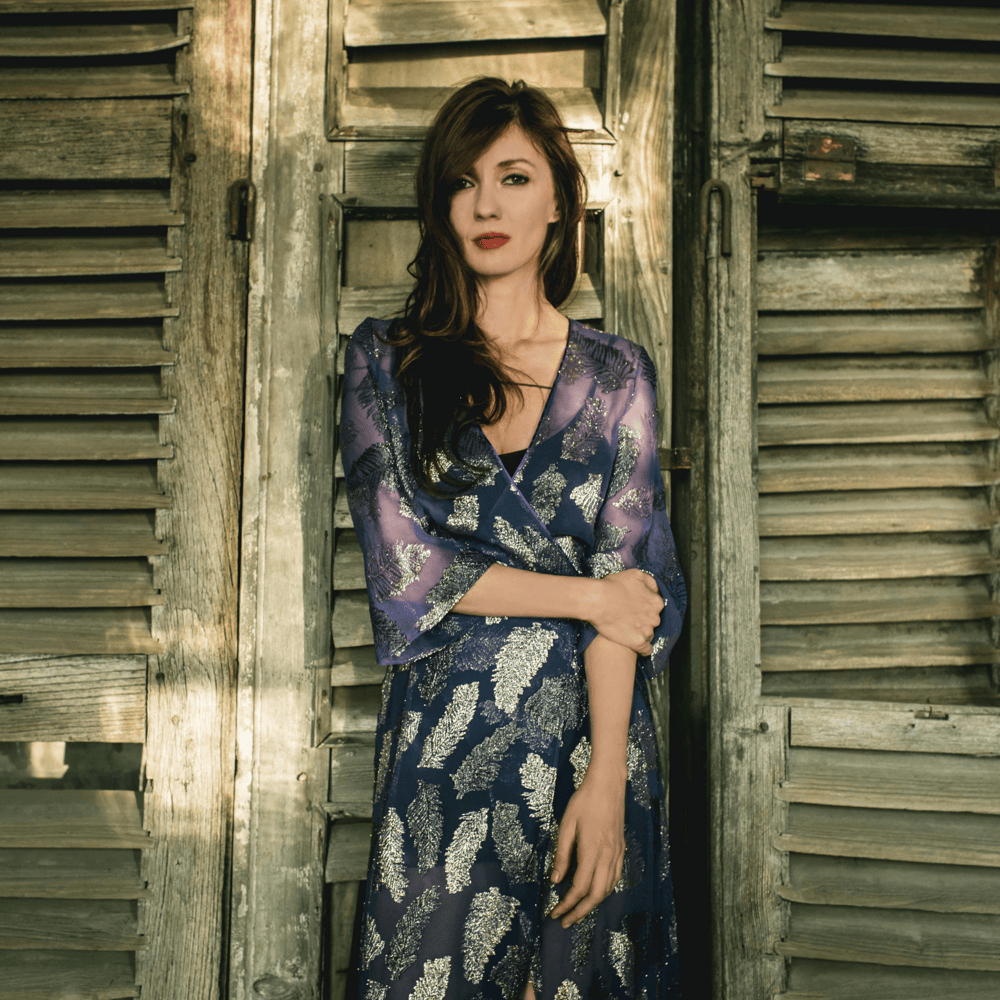
 View Artist