Song Meaning
The lyrics paint a vivid, almost cosmic, picture of awakening and detachment. The opening lines, "E si incendia il cielo dentro agli occhi / Brilla la mia stella giá," immediately establish a sense of internal illumination and destiny, setting a tone of profound personal revelation. This celestial imagery, with "La luna è un frutto blu infinito / In un campo di diamanti," suggests a vast, precious inner landscape that the narrator inhabits.
The core tension emerges with the repeated conditional "E se qualcuno mi dovesse vedere/seguire / E se qualcuno mi dovesse chiamare / E se qualcuno mi cercasse di notte / Io non ci sarò." This refrain signifies a deliberate withdrawal from external observation or connection, a choice to be absent from those who might seek or find the narrator. It’s a declaration of independence, a shedding of the need for external validation or presence.
The most striking craft element is the juxtaposition of grand, almost surreal cosmic imagery with intensely personal, visceral language. Phrases like "Abbandonandomi tra i paralleli" and "rotolandomi sui meridiani" evoke a sense of vast, disorienting movement, yet this is grounded by the internal struggle: "Ho soltanto un conto in sospeso / Ed é con le mie viscere." This internal reckoning, coupled with the imperative "fatti avanti oppure spostati / Lasciami passare," highlights a powerful self-determination that prioritizes inner peace over external demands.
This lyrical construction is effective because it grounds a feeling of profound, almost mystical, transformation in raw, relatable human experience. The narrator’s awakening isn't just a passive event; it's an active choice born from exhaustion and a long period of internal processing, "Forse ho dormito troppo / Mi sono svegliata / Con la pelle piena di / Stelle." The final "Adesso sono qui / Sveglia" confirms a complete, conscious emergence, ready to navigate their own internal universe, unburdened and self-possessed.
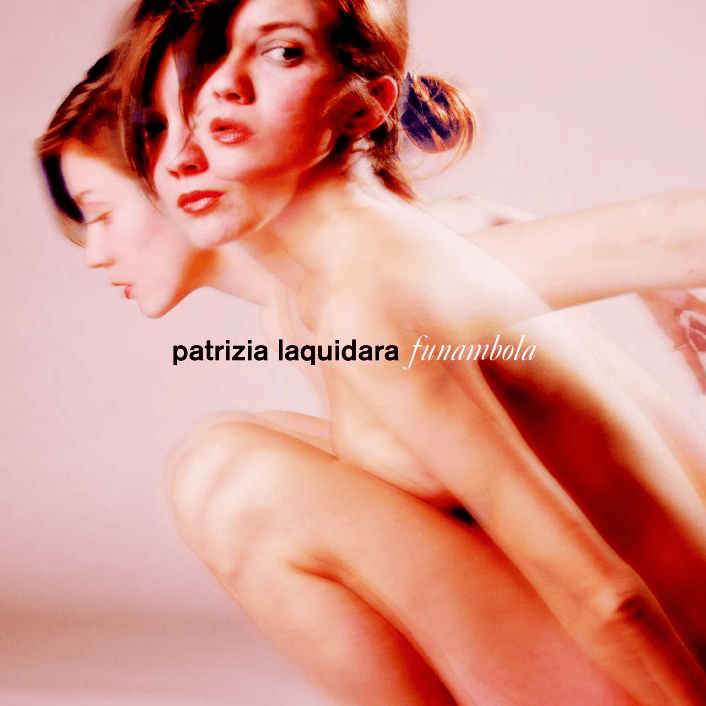
 View Artist