Song Meaning
Patrick Wolf's "Song of the Scythe" isn't a casual listen; it’s a plunge into a symbolic landscape where grief, death, and rebirth intertwine with the stark imagery of rural England. The opening lines, "I was three spires south of Minster / When the marshland ceased to moan," immediately establish a sense of place and a cessation of sorrow, a prelude to transformation. Grief, remarkably, transforms into a "garland," suggesting a bittersweet acceptance, while death becomes a "dovecote," a haven, hinting at peace found in passing. This isn't just about mourning; it's about what springs forth from it.
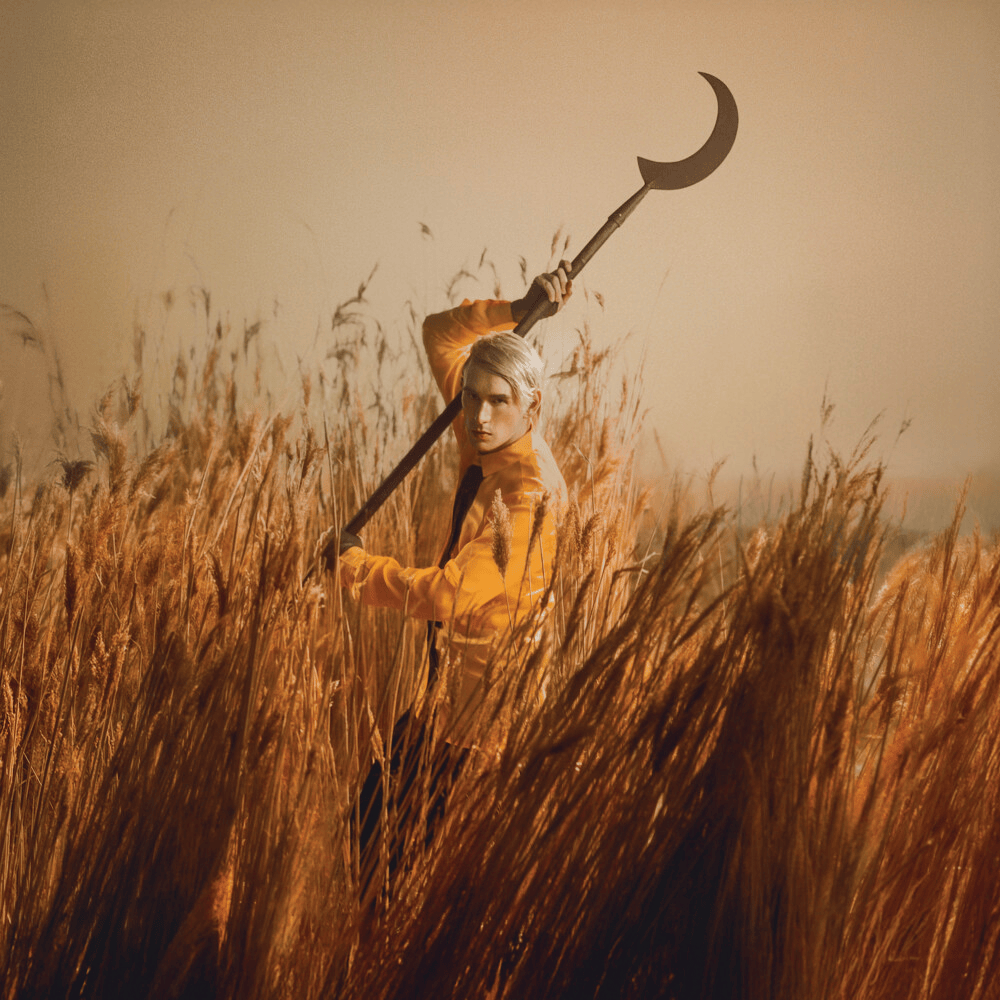
The introduction of the "hoodeners" performing their "reincarnation act" injects a layer of pagan ritual and cyclical existence. Hoodening, a folk custom involving disguise and performance, traditionally held in Kent, UK, underscores the themes of renewal and the blurring of boundaries between life and death. Juxtapose that with the "reaper" sharpening his blade; this isn't a gentle metaphor. It’s a visceral reminder of mortality, but within the context of this song, it also suggests a necessary cutting away of the old to make way for the new.
The chorus, if it can be called that, with the "beheaded land" singing "Swing away, the fallow years away," is both haunting and hopeful. The land itself, personified and scarred, calls for an end to unproductive times, to the stagnation that precedes growth. The repetition of "To the dying of the day" isn't simply a lament; it's an invocation, a beckoning towards the inevitable end that precedes a new dawn. Wolf crafts a potent meditation on loss, resilience, and the enduring cycles of nature and human experience. The song’s meaning lies in its unflinching gaze at death not as an ending, but as a crucial part of a larger, continuous process.
 View Artist