Song Meaning
Patrick Wolf's "Afraid" operates in the haunted, echoing chambers of the self, specifically targeting the anxieties of identity and autonomy. The repeated lines, "Cease to know or to tell / Or to see or to be your own," immediately establish a central conflict: the potential erosion of individual consciousness. The song isn't just about fear; it's about the fear of losing oneself, of surrendering agency to external forces. This is compounded by the subsequent lines, "Have someone else's will as your own," which suggest a kind of psychological takeover, a yielding to manipulation or societal pressure. Wolf paints a portrait of vulnerability, where the lines between self and other become dangerously blurred. The stark assertion, "You are beautiful and you are alone," further isolates the subject, implying that beauty, or perhaps uniqueness, can be a double-edged sword, rendering one susceptible to exploitation.
The recurring phrase "adolescent plague" hints at the origins of this fear. Adolescence, with its inherent insecurities and desperate need for validation, becomes a breeding ground for self-doubt and the temptation to conform. "Reward your grace" acts as a twisted mantra, perhaps suggesting that external validation—being rewarded for one's outward presentation—becomes a substitute for genuine self-acceptance. This chase for external approval only deepens the alienation, creating a vicious cycle.
Ultimately, "Afraid" grapples with the struggle to maintain authenticity in a world that constantly seeks to mold and define us. The lines "Confuse your hunger, capture the fake / Banish the faceless, reward your grace" underscore this tension. The 'hunger' likely represents genuine desires and aspirations, which are deliberately confused and replaced with manufactured substitutes ('capture the fake'). The banishment of the 'faceless' (those who don't conform or stand out) and the rewarding of 'grace' (superficial charm or beauty) further highlight the pressure to sacrifice individuality for acceptance. Patrick Wolf's song isn't a simple lament; it's a stark warning about the dangers of losing oneself in the pursuit of external validation, leaving the listener with a chilling sense of vulnerability and the echoing question of what it truly means to be 'alone'.
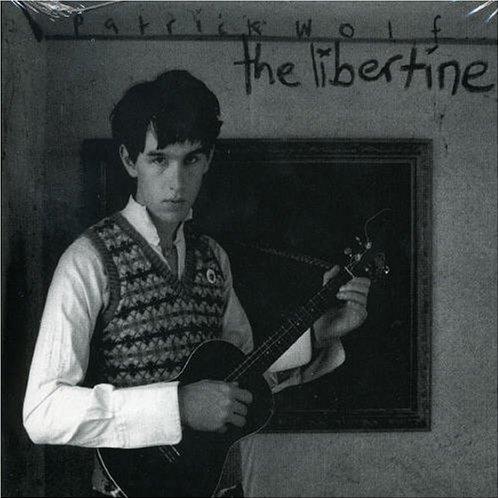
 View Artist