Song Meaning
The lyrics paint a picture of lingering memory and regret, where a past encounter continues to define the narrator's present. The opening lines establish a persistent remembrance: "Ce souvenir de toi, dure / Dure la vie que je mène." This isn't just a fleeting thought; it's a memory that endures, mirroring the difficulty of the life the narrator is living. The repetition of "dure" (lasts/hard) emphasizes both the longevity of the memory and the harshness of the current existence, suggesting the two are inextricably linked.
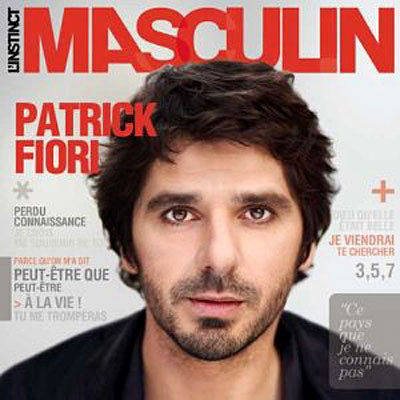
The central tension arises from the disproportionate passage of time versus the intensity and brevity of the initial connection. The recurring chorus, "3 jours à se voir / 5 mois pour y croire / 7 ans, j'ai perdu trop de temps" or "7 ans, j'attends," starkly contrasts the short duration of the actual meeting with the long period of belief and subsequent waiting. This numerical progression highlights a profound sense of lost opportunity and an enduring, perhaps irrational, hope that began with a fleeting three-day encounter. The narrator feels they've "perdu trop de temps" (lost too much time) or are still waiting after seven years, underscoring the emotional weight of that brief period.
A key craft element is the cyclical structure and the evolving meaning of "Au fur et à mesure" (as time goes by/gradually). Initially, it describes the "démesure d'une reine" (excess of a queen), hinting at an overwhelming presence. Later, it shifts to the narrator measuring their "peine" (sorrow) and becoming "sûr de ma peine" (sure of my sorrow). This phrase, appearing in different contexts, tracks the narrator's internal state from being overwhelmed by a memory to a resigned certainty of their suffering, all stemming from that initial, significant encounter.
The lyrics resonate because they capture the universal experience of being haunted by a pivotal moment, especially one that ended too soon. The specific numerical breakdown—3 days, 5 months, 7 years—grounds the abstract feeling of regret in concrete, relatable timeframes. The final stanza, with its renewed resolve to "la revoie" (see her again) and walking "pour elle" (for her), injects a flicker of hope, suggesting that the waiting might finally lead to action, transforming the passive suffering into a purposeful pursuit.
 View Artist