Song Meaning
The lyrics paint a picture of someone finding solace and companionship in their dreams, where an idealized lover appears each night. This nightly visitor is described as "charming," "strong," and "tall," embodying perfection. The narrator readily admits to falling for this dream figure, highlighting the immediate and perhaps overwhelming nature of this affection. The core of the song lies in this stark contrast between the vivid reality of the dream and the undeniable unreality of the lover.
The central tension emerges from the narrator's awareness of their own delusion. While the dream lover is "ideal," the lyrics quickly pivot to the painful realization that "he isn't real." This leads to a self-deprecating label: "I'm a fool." However, this moment of self-criticism is immediately softened by the repeated, rhetorical question, "But aren't we all?" This suggests a shared human experience of seeking comfort or escape in fantasy, even when aware of its illusory nature.
The most striking element is the persistent, almost mantra-like repetition of "Aren't we all?" This refrain transforms a personal admission of foolishness into a broader, communal observation. The initial declaration, "I'm a dreamer," is echoed and amplified, suggesting that this yearning for an unattainable ideal, and the subsequent self-awareness of being a "fool" for it, is a universal human condition. The simple, almost childlike language underscores the fundamental nature of this shared longing.
Ultimately, the effectiveness of these lyrics stems from their directness and the gentle, inclusive way they frame a potentially isolating experience. The narrator's vulnerability in admitting their "foolishness" is immediately validated by the suggestion that this is a common human trait. The song resonates because it captures that quiet, internal moment of acknowledging our own escapist tendencies and finding a strange comfort in the idea that we're not alone in our dreams.
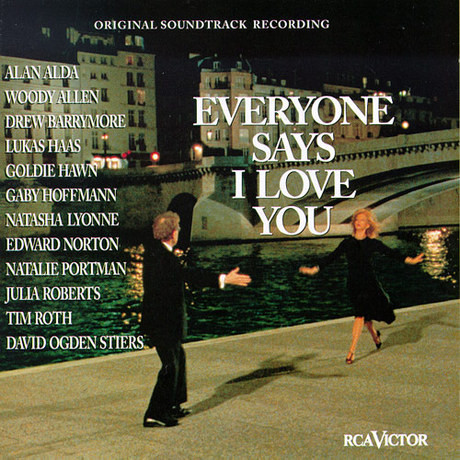
 View Artist