Song Meaning
The lyrics paint a stark picture of desolation following the absence of love. The narrator describes a profound loneliness that manifests physically and mentally, leaving them adrift and disoriented. This isn't just a fleeting sadness; it's a pervasive state that disrupts basic needs and functions, creating a sense of existential crisis. The repeated phrase "Sem amor" acts as a constant, heavy refrain, underscoring the central void.
The dominant tension arises from the narrator's inability to cope with this loveless existence. They are "sozinha" (alone), "doente" (sick), and "maluca" (crazy), with their "carinho" (affection) having "enferrujou" (rusted). This imagery suggests a decay of their inner self, a loss of capacity for connection and warmth. The question "Por que não dá pra viver?" (Why can't I live?) echoes this desperation, highlighting the unbearable nature of their current state.
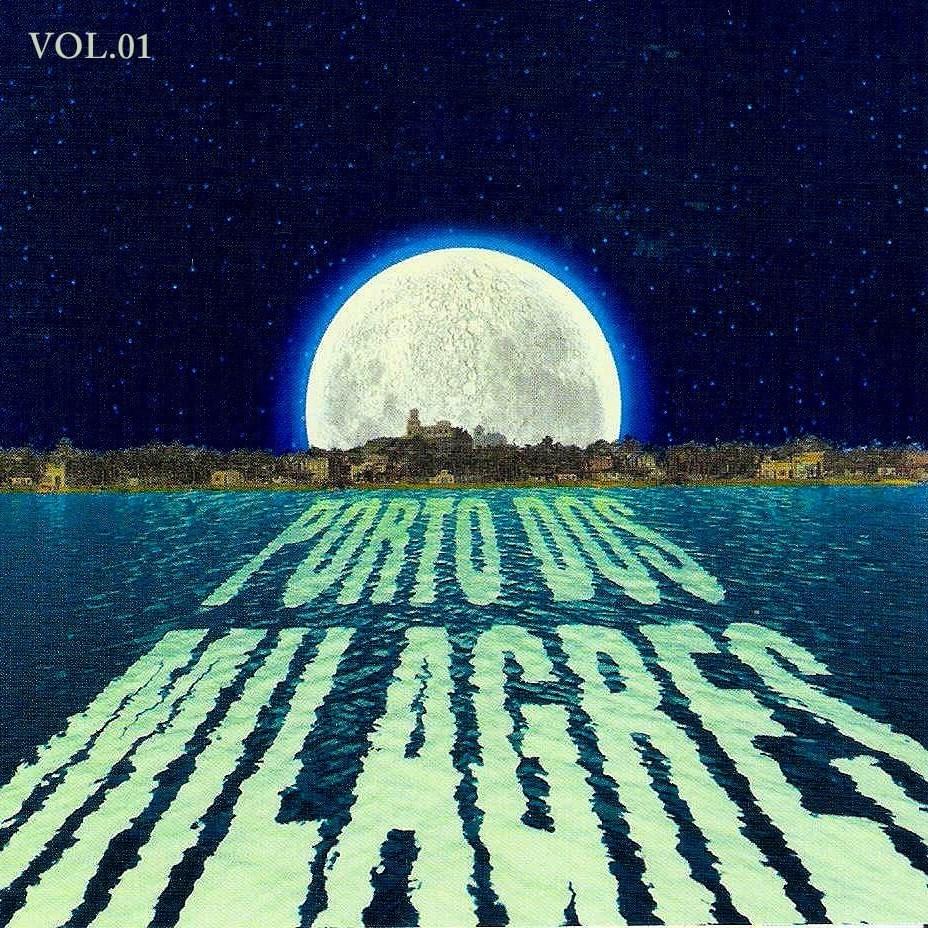
A particularly striking element is the loss of identity and direction. The narrator doesn't know "pra onde vou" (where I'm going) and feels they've lost their "sobrenome" (last name), implying a fundamental erasure of self. The moon hiding and the lack of a "colchão sem cobertor" (mattress without a blanket) amplify this feeling of exposure and lack of comfort, making the world itself seem indifferent or hostile.
This raw depiction of emotional and physical destitution is what makes the lyrics hit so hard. The direct, almost childlike articulation of suffering, coupled with the relentless repetition of "Sem amor," creates an overwhelming sense of vulnerability. It’s the feeling of being utterly stripped bare, where the absence of love renders existence itself almost impossible.
 View Artist