Song Meaning
The narrator is caught in a push-and-pull dynamic, initially drawn by a call to go out, but then finding themselves unable to commit. There's a clear sense of a missed opportunity, a train that has already departed, leaving the narrator to reflect on what might have been. The dominant feeling is one of regret tinged with a pragmatic, almost defiant, focus on future possibilities.
The core tension lies between a past invitation and a present realization of impossibility. The line "Meu coração não contenta" suggests an internal disconnect, a lack of genuine enthusiasm despite the external "call." This internal resistance clashes with the external "Você me chama," creating a subtle but significant emotional friction. The abrupt shift signaled by "Mas de repente a madrugada / Mudou" marks a turning point where the opportunity evaporates.
The most striking element is the decisive, almost dismissive, conclusion: "E se passou / Passou daqui pra melhor." This isn't just about a missed train; it's a reframing of the event as a positive departure, a move towards something better. The narrator then pivots sharply to "Só quero saber / Do que pode dar certo," emphasizing a forward-looking perspective that actively rejects dwelling on the past.
This lyrical construction is effective because it captures a very human experience of regret and rationalization. The shift from initial receptiveness to a firm, forward-looking stance feels earned through the imagery of the departed train. It's the blend of wistful acknowledgment and resolute optimism that makes the narrator's emotional arc resonate.
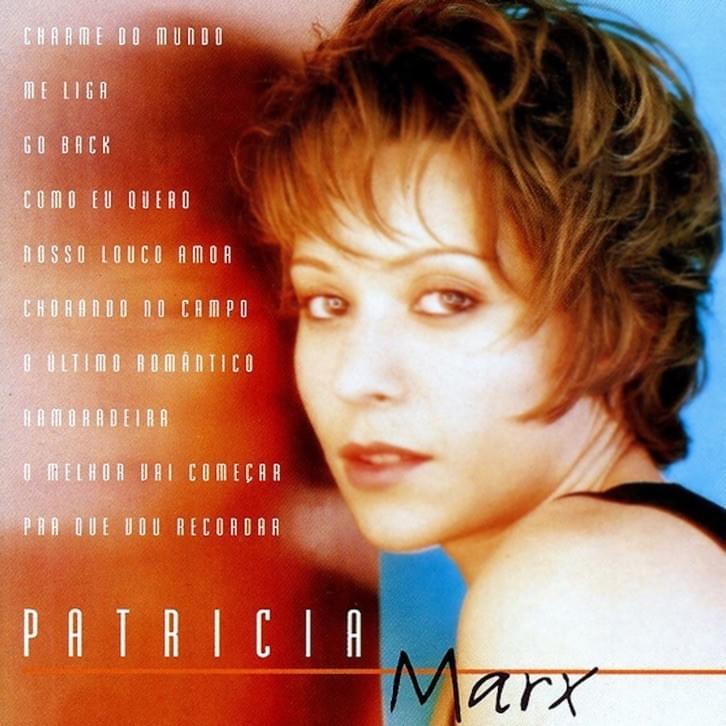
 View Artist