Song Meaning
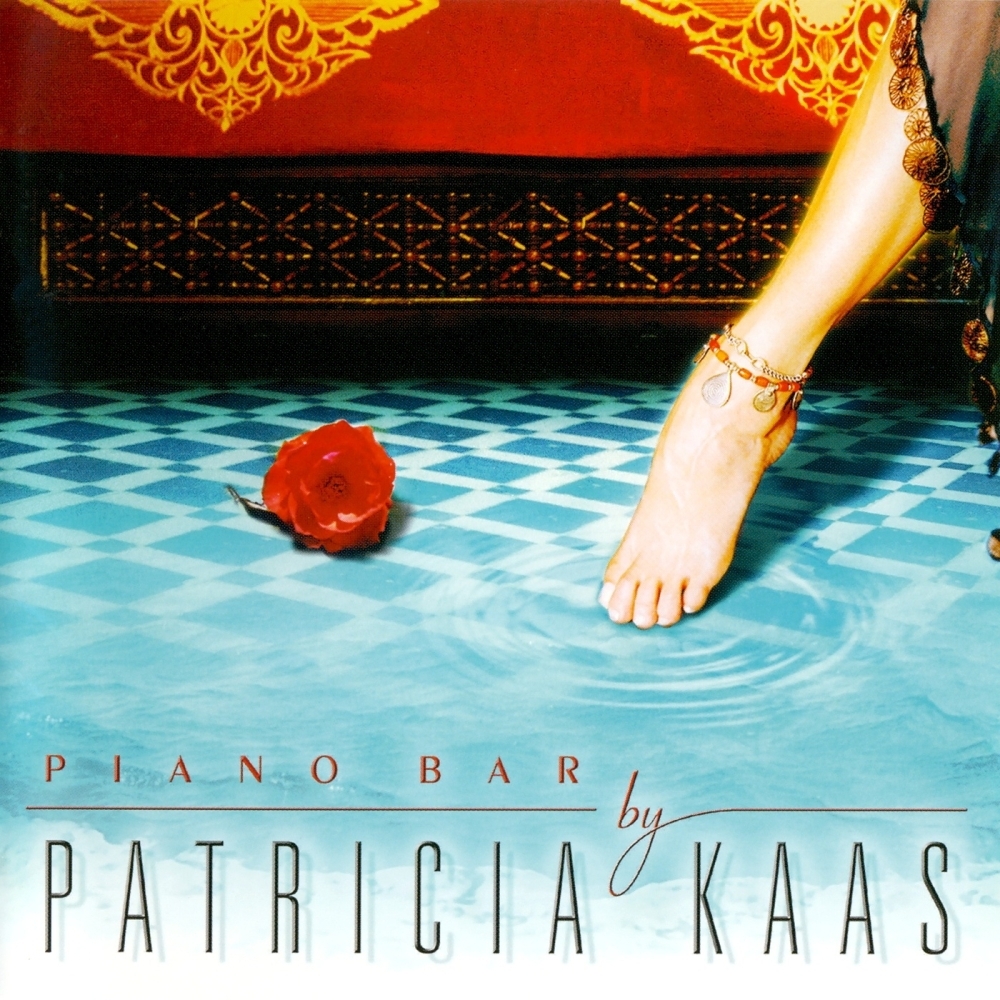
Patricia Kaas's rendition of "Un homme et une femme" is more than just a cover; it's a delicate psychological portrait of rekindled hope. The song, famously associated with the film of the same name, hinges on a simple premise: the enduring possibility of connection between a man and a woman. Kaas, with her signature smoky timbre, doesn't just sing the lyrics; she embodies the hesitant optimism they convey, turning the repetitive "ba da ba da" refrain into a mantra of renewed belief.
The power of "Un homme et une femme" lies in its acknowledgment of past hurts. The lyrics allude to "combien de joies, bien des drames," hinting at the baggage each individual carries into this potential relationship. It's not a naive fantasy of instant bliss, but a mature acceptance of the complexities of life and love. The phrase "ont forgé la trame du hasard" suggests that destiny isn't a passive force, but something actively shaped by the choices we make, even after experiencing pain. The song meaning, therefore, resides in the courageous choice to embrace vulnerability again.
Ultimately, Kaas's performance underscores the transformative potential of human connection. The repetition of "comme nos voix" and "nos coeurs y voient" emphasizes the shared experience, the mirroring of emotions that forms the bedrock of intimacy. The song's simple melody, combined with Kaas's emotionally intelligent delivery, creates a space for listeners to project their own hopes and experiences onto the narrative. It's a testament to the enduring power of romance, not as a fairy tale, but as a courageous act of faith in the face of uncertainty.
 View Artist