Song Meaning
Patricia Kaas's "Un dernier blues" isn't just a song; it's a preemptive eulogy set to music. The title itself, translating to "One Last Blues," signals a farewell, but one delivered with a uniquely French sensibility—a blend of melancholy and defiant acceptance. The lyrics paint a vivid portrait of a woman confronting the precipice of mortality, or perhaps the death of a vital part of herself, with a poignant grace. She seeks one final moment of raw emotional expression, a cathartic release before the inevitable. The blues, in this context, becomes both a genre and a state of being, a vehicle for processing grief and anticipating the void. It is a conscious choice to feel deeply before numbness sets in.
Kaas uses striking imagery to amplify the song's emotional weight. The impending "hand of death," the autumnal trees adorned with "red hair," and the heart transformed into a frozen "igloo" are all powerful metaphors for loss and emotional desolation. The star that "hails" her suggests a cosmic beckoning, an acceptance into something larger than herself. Before this grand cosmic event, she wants to inscribe her essence on the "neons of infinity," a desire to leave a mark, however fleeting, on the universe. It’s a deeply human yearning for meaning in the face of oblivion.
The song's final verse brings the sentiment down to earth, grounding the cosmic musings in personal connection. This "last blues" is rendered "in capital letters," as if to emphasize its importance, punctuated with hesitations and pauses ("suspension points and commas"), capturing the halting, uncertain nature of farewells. The specification of a "rainy day" and the musical key of "E minor for a friend" adds a layer of intimacy and dedication. It suggests that this final blues isn't just for herself but also a parting gift, a shared moment of sorrow and solace offered to someone close. The song becomes a testament to the enduring power of human connection, even in the face of ultimate solitude.
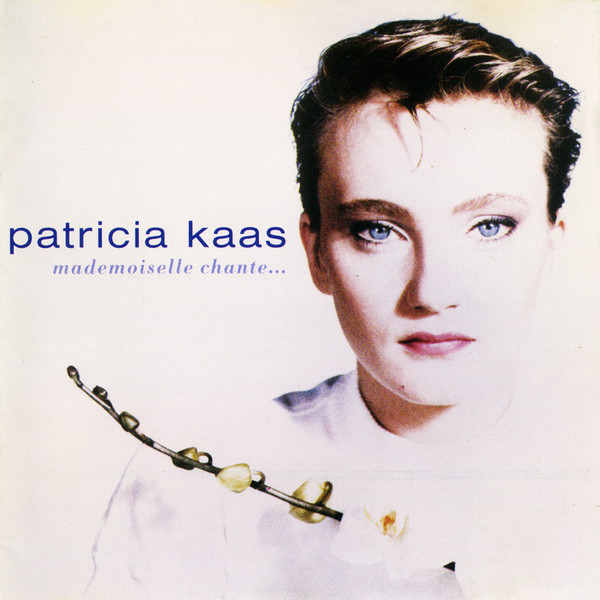
 View Artist