Song Meaning
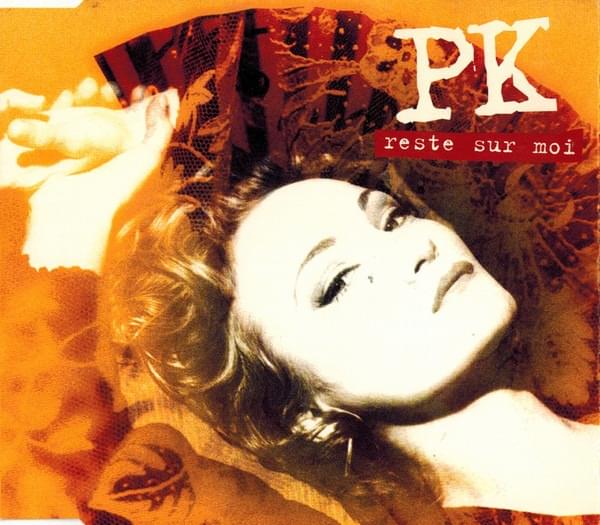
Patricia Kaas's "Reste sur moi" isn't just a song; it's an intimate, almost voyeuristic glimpse into a moment of profound connection. The lyrics, sung in French, paint a picture of lovers suspended in time, reveling in the pure, unadulterated joy of each other's presence. The opening lines, with their emphasis on relaxation and ease ("Relax tellement relax / Étendu détendu"), immediately establish a sanctuary, a space free from the demands and anxieties of the outside world. It's a deliberate shedding of pretenses, a surrender to the present moment. The phrase 'Reste sur moi' (Stay on me), repeated as a chorus, is both a physical plea and an emotional anchoring. It speaks to the desire to prolong this blissful state, to breathe in unison, to find joy in shared existence. The repetition reinforces the urgency and simplicity of the request. This isn't about grand gestures; it's about the quiet intensity of shared breath.
Kaas masterfully uses imagery to heighten the sensuality and emotional depth of the song. The metaphor of overflowing rivers and peaceful oceans suggests a release of inhibitions, a willingness to be swept away by the current of their emotions. Even the line, "Même s'il y a qu' l'océan / Qui reste pacifique / Et pas pour très longtemps" (Even if only the ocean / Remains peaceful / And not for very long), acknowledges the fleeting nature of such moments of serenity, adding a layer of poignant awareness. The contrast between being "enchainé dechainé" (chained unchained) speaks to the paradox of intimacy: the feeling of being bound to another while simultaneously experiencing liberation. The 'souvenirs-parfums' that never evaporate suggest that these moments, however ephemeral, leave an indelible mark, shaping the landscape of their shared history.
Ultimately, "Reste sur moi" is a celebration of the power of presence. It's a reminder that in a world of constant noise and distraction, the most profound experiences often arise from the simplest acts of being together. The final verses, with their imagery of boats, flags, and the sea, evoke a sense of journey and vulnerability. They are "Enfants du paradis / Emportés par la houle" (Children of paradise / Carried away by the swell), suggesting a letting go, a trust in the unpredictable nature of love. The emphasis on the 'geste auguste de s'aimer' (august gesture of loving) underscores the idea that the act of love itself, in its purest form, is a sacred and timeless endeavor, worth cherishing and preserving against the inevitable tide of time.
 View Artist