Song Meaning
Patricia Kaas's "Quand je t'oublie" isn't a simple breakup anthem; it's a study in the painful paradox of trying to sever a deep connection. The song meaning rests on the central tension: the act of forgetting becomes a trigger for remembering, intensifying the very feelings she's trying to escape. This isn't about moving on; it’s about the Sisyphean task of wrestling with a memory that refuses to fade. The opening lines, a terse command to leave, coupled with a dismissal of words, suggest a relationship built more on physicality and shared moments than on explicit declarations.
The core of the song's emotional weight lies in the chorus. The repetition of "Quand je t'oublie, je pense à nous, et c'est pire" ("When I forget you, I think of us, and it's worse") exposes the self-defeating nature of her efforts. Forgetting, rather than providing relief, forces her to confront the entirety of their shared history. The line "Je passe par où tu respire" ("I pass by where you breathe") is particularly evocative, hinting at a lingering presence, an almost phantom limb sensation where the absent lover's essence still permeates her world.
The bridge offers a glimmer of hope and resilience: "Une femme est ainsi faite, pour renaître" ("A woman is made this way, to be reborn"). This acknowledgment of female strength suggests an underlying determination to overcome the pain, even as the song circles back to the initial plea for departure. Ultimately, "Quand je t'oublie" is a poignant exploration of how deeply intertwined memory and emotion can be, and how the act of forgetting can sometimes be the most potent reminder of what we've lost. The song's power resides in its unflinching portrayal of this internal struggle, a struggle that many listeners will undoubtedly recognize.
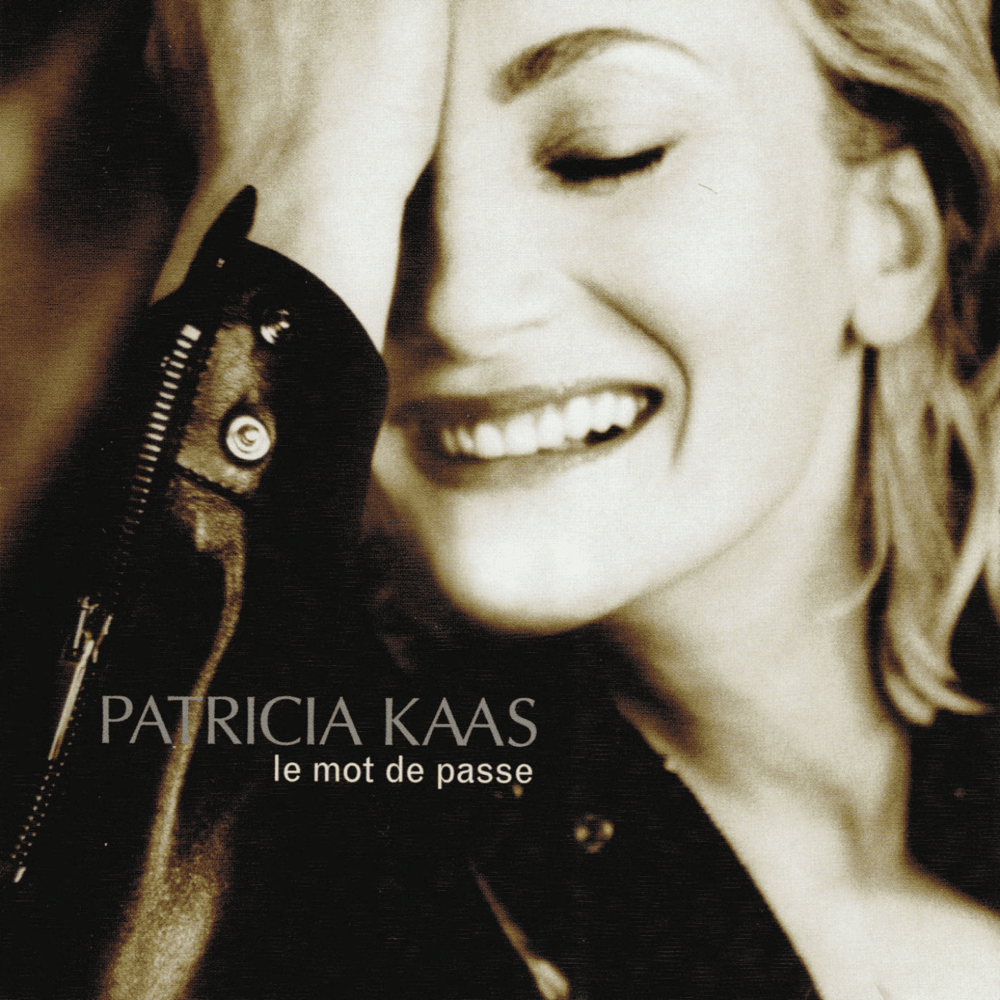
 View Artist