Song Meaning
Patricia Kaas's "L'heure du jazz" isn't just a song; it's a meticulously crafted sonic tableau of a night steeped in jazz. The lyrics, impressionistic and fragmented, paint a picture of a dive bar (or "cave") where time bends to the rhythm of the music. More than just a description of a place, the song captures a specific emotional state, a feeling of being both liberated and slightly lost in the intoxicating haze of jazz. The references to jazz legends like Charlie Parker, Rex Stewart, and Bill Evans aren't mere name-dropping; they serve as anchors, grounding the listener in the authentic, almost sacred space of jazz tradition.
The repeated phrase "Heure du jazz" functions as a hypnotic mantra, marking the passage of time and the subtle shifts in the bar's atmosphere. From the initial burst of ecstatic energy ("ton âme dans l'extase") to the bleary-eyed hours of the early morning ("un peu vides les phrases"), the song charts a descent into a kind of blissful oblivion. The presence of "gigolos" sizing up older women in jewels introduces a layer of social commentary, hinting at the transactional nature of some interactions within this nocturnal world. It's not all pure artistic appreciation; there's a definite undercurrent of exploitation and fleeting connection.
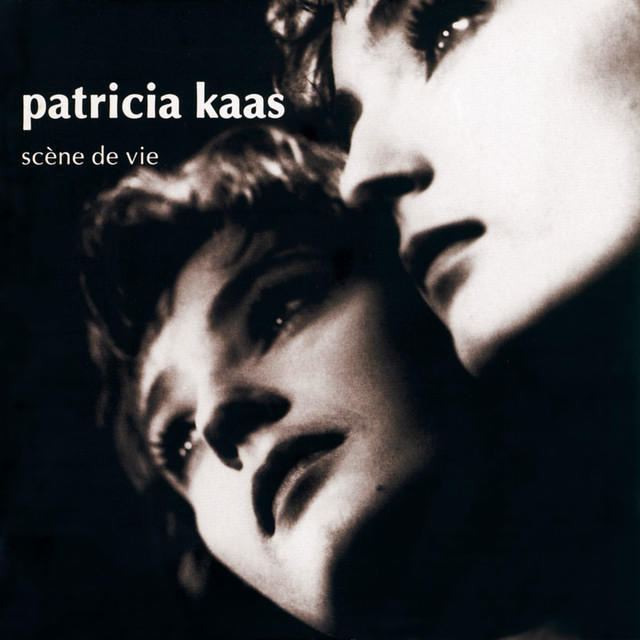
The beauty of "L'heure du jazz" lies in its ambiguity. Is this a celebration of jazz culture, or a cautionary tale about the dangers of escapism? Perhaps it's both. The song invites us to revel in the music's power to transport us, while simultaneously reminding us of the potential for self-deception and the inevitable reckoning that comes with the dawn ("attention l'ardoise"). The slightly world-weary tone, delivered with Kaas's signature smoky voice, suggests a knowing acceptance of the bittersweet nature of the jazz experience. It's a world where joy and melancholy are inextricably intertwined, where the music offers both solace and a temporary reprieve from the harsh realities of life.
 View Artist