Song Meaning
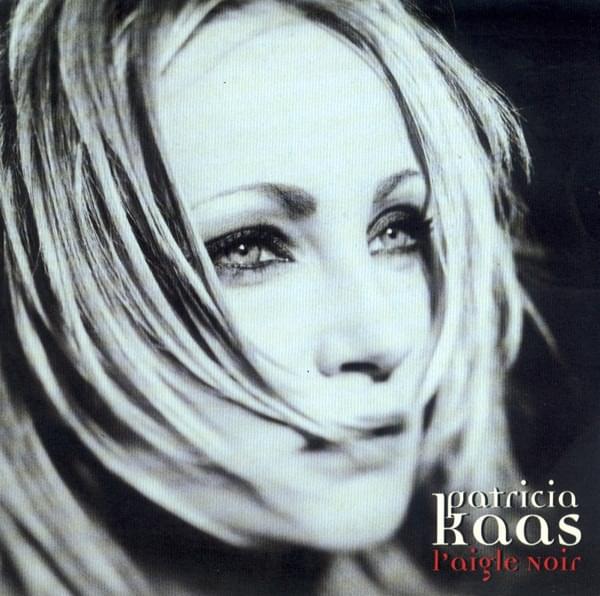
Patricia Kaas's "L'Aigle Noir" (The Black Eagle) unfolds like a vivid, symbolic dreamscape, a poignant exploration of memory and the resurgence of the past. The initial setting is serene – a lakeside reverie – shattered by the sudden appearance of the titular black eagle. This is no ordinary bird; it's an imposing figure with ruby eyes and feathers of night, a jewel-crowned king that descends with an almost supernatural aura. The lyrics paint a picture of something both beautiful and slightly menacing, an otherworldly force about to disrupt the quiet solitude. The eagle's arrival isn't just a visual spectacle; it's a deeply personal encounter. When the bird touches the narrator's cheek and places its neck in her hand, recognition dawns. The eagle isn't a stranger; it's a figure from the past, a re-emergence of something long dormant. This moment of recognition is the hinge upon which the song's meaning turns.
The request to "emmène-moi / Retournons aux pays d'autrefois" (take me away / let's return to the lands of yesterday) reveals the core of the song's yearning. The eagle represents a longing for a return to childhood innocence, a time of limitless possibilities and fantastical dreams. The lyrics evoke a nostalgic desire to "cueillir en tremblant / Des étoiles, des étoiles" (gather trembling / stars, stars), to reclaim the unbridled imagination and wonder of youth. It’s a bittersweet desire, tinged with the understanding that such a return is ultimately impossible. The repetition of "Comme avant" (like before) underscores the idealized nature of this past, a romanticized vision of a time before the complexities and disappointments of adulthood set in.
Ultimately, "L'Aigle Noir" functions as an allegory for the enduring power of memory and the human desire to recapture lost innocence. The black eagle, a striking and somewhat ambiguous symbol, embodies both the allure and the potential darkness of the past. The song's cyclical structure, returning to the initial lakeside scene, reinforces the idea that these memories are not a one-time occurrence but a recurring theme in the narrator's life. Patricia Kaas delivers a performance that is both haunting and deeply affecting, capturing the delicate balance between nostalgia and the acceptance of time's passage. Through the powerful imagery of the lyrics and the melancholic beauty of the melody, "L'Aigle Noir" explores the universal human experience of grappling with the past and the enduring power of childhood dreams.
 View Artist