Song Meaning
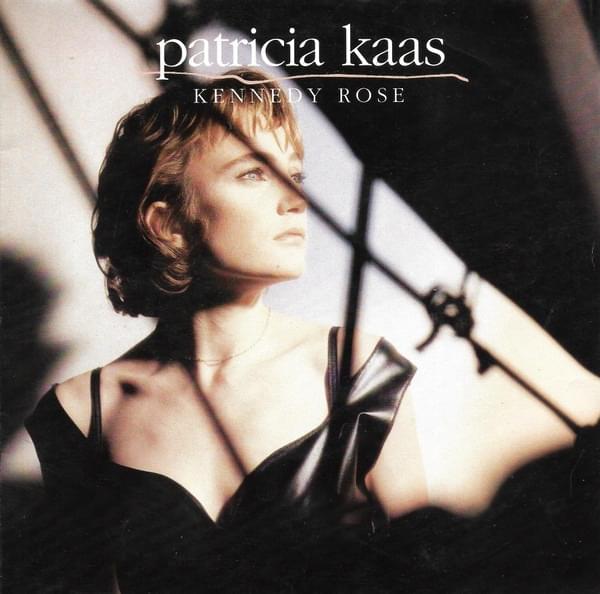
Patricia Kaas's "Kennedy Rose" isn't a simple biography; it's a chilling meditation on ambition, maternal influence, and the potential for political obsession to warp human lives. Sung from the perspective of a mother, the lyrics grapple with the legacy of Rose Kennedy, matriarch of the Kennedy dynasty, and the almost Faustian bargain inherent in pushing one's children toward greatness at any cost. The repeated line, "Je suis pas comme Rose Kennedy" ("I am not like Rose Kennedy"), acts as both a disclaimer and a quiet scream of horror. It suggests a deep-seated fear of replicating Rose's relentless drive and the sacrifices it demanded. Kaas isn't merely rejecting political ambition for her own sons; she's questioning the very nature of that ambition and its corrosive effects on family and individual well-being.
The core of the song meaning rests on the contrast between the idealized image of "Kennedy Rose" – a "jolie rose" (pretty rose) and a "jolie p'tite ville rose" (pretty little rose town) – and the reality of a woman whose sons were seemingly consumed by a relentless need to prove themselves. The lyrics hint at a sense of loss, a mourning for the potential paths not taken. "Ses fils chéris de l'Amérique / Auraient pu faire de la musique / Des sciences ou des mathématiques" ("Her cherished sons of America / Could have made music / Science or mathematics"). This suggests that Rose Kennedy's ambition, while resulting in political power, may have also stifled other, perhaps more fulfilling, avenues for her children.
Ultimately, "Kennedy Rose" is a cautionary tale about the dark side of legacy. It challenges the listener to consider the psychological toll of hyper-achievement and the ethical implications of molding children to fulfill a specific, often politically driven, destiny. The lyrics suggest that true maternal love might lie not in pushing one's children toward the highest echelons of power, but in allowing them the freedom to choose their own paths, even if those paths lead away from the White House. The haunting melody, coupled with Kaas's signature emotional delivery, underscores the song's profound sense of unease and its complex exploration of the Kennedy mythos.
 View Artist