Song Meaning
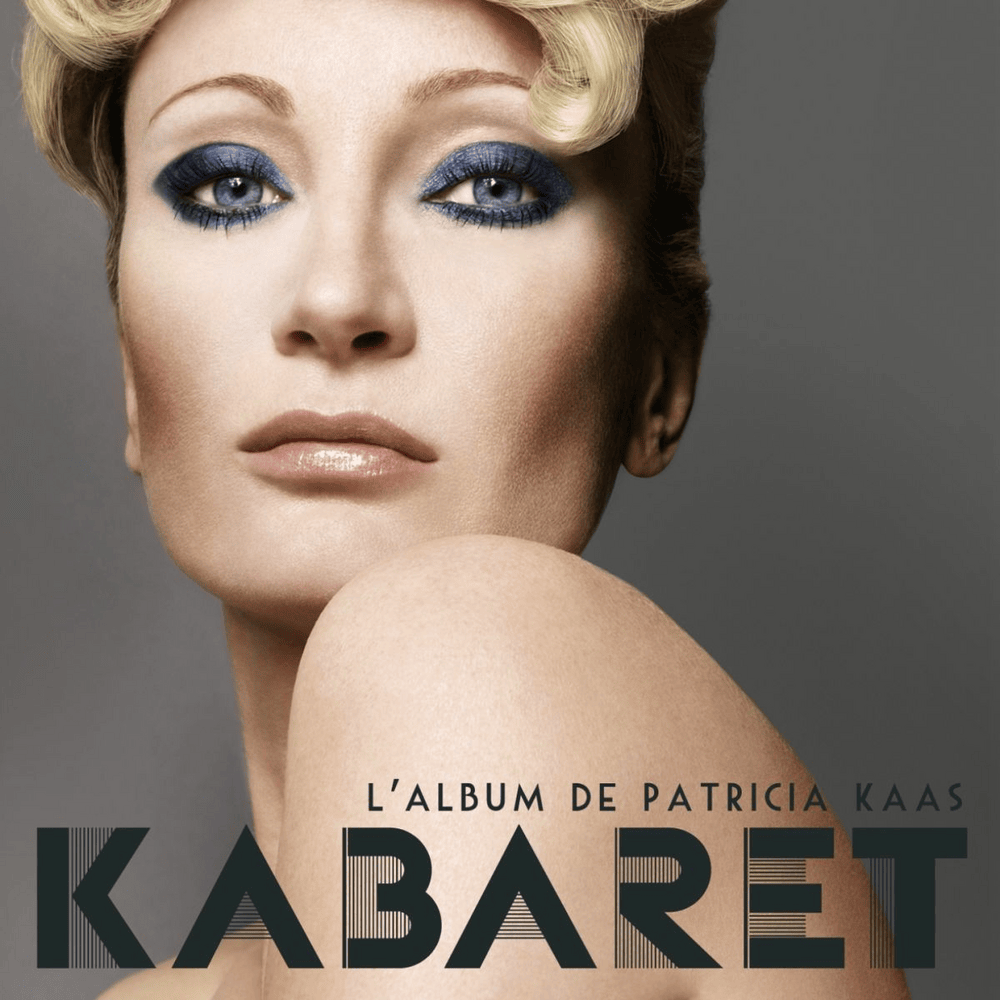
Patricia Kaas's "Kabaret" isn't just a song; it's an invitation into a world teetering on the edge of glamour and despair. The initial "Wilkommen, bienvenue" isn't merely a greeting; it's a siren call to a space where seduction and heartbreak dance in equal measure. Kaas crafts a persona, a mistress of ceremonies whose life unfolds within the Kabaret's walls, a place where men are brought to their knees and stories are anything but ordinary. The song's genius lies in its understanding of performance as both an escape and a confession. The stage isn't just a platform; it's a confessional.
The lyrics paint a picture of nightly resurrection. The "airs bien canailles" serve as a backdrop for reliving heartaches and the despair of a "rimeur de comptoir." The lonely pianist and the slightly dissolute atmosphere contribute to the overall sense of melancholic beauty. It's a space where a forgotten melody can transport you. "Kabaret" deftly explores the tension between public performance and private pain. The line "Vous m'avez manqué" is a direct address that collapses the distance between performer and audience, suggesting a symbiotic relationship built on shared experience and longing.
Kaas's androgynous stage presence and bared heart reveal the vulnerability beneath the artifice. The Kabaret becomes a metaphor for the artist's soul, laid bare for all to see. The anticipation before the "trois coups" is palpable, a visceral tremor that underscores the emotional stakes of the performance. The final verses are a salute to the musicians and storytellers, a recognition of the collaborative spirit that brings the Kabaret to life. It's a bittersweet farewell, a bow taken in the darkness, accompanied by a forgotten melody that lingers long after the curtain falls. Ultimately, the song meaning resides in the cyclical nature of performance: the nightly ritual of revealing and concealing, of offering oneself to an audience while simultaneously seeking solace within the Kabaret's embrace.
 View Artist