Song Meaning
Patricia Kaas's "Chanson d'amour pas finie" isn't just a love song; it's a raw, exposed nerve of a confession. It's a fragmented snapshot of a relationship, delivered with the smoky vulnerability that defines Kaas. The song's power lies in its incompleteness, its refusal to tie up the messy realities of love into a neat, easily digestible package. The opening verses are heavy with imagery of decline and imperfection: a heart at low tide, a broken heel, clumsy gestures. These aren't grand declarations of eternal devotion but rather intimate admissions of flawed humanity. The references to beaches and lemonade clouds evoke a fleeting sweetness, undercut by the looming presence of Arthur Rimbaud, the tormented French poet, hinting at the inherent turbulence beneath the surface of even the most idyllic moments.
The lyrics begin to expose the central tension. The passion, the physical connection ("Avec nos sexes qui se touchent"), and the thrilling uncertainty ("frissons de mystère") are undeniable. However, these intense moments are juxtaposed with anxiety and loneliness ("wagons d'inquiétude," "gare de solitude"). This push and pull between desire and fear, intimacy and isolation, is what gives the song its emotional weight. It acknowledges that love isn't always a seamless experience but a complex negotiation of conflicting emotions.
The final lines, "J'te demande pardon d'avoir écrit / Une chanson d'amour pas finie / Pas finie," are the heart of the song's meaning. Kaas isn't just apologizing for leaving the story unresolved; she's acknowledging the impossibility of ever fully capturing the totality of a relationship in a song. Love is a continuous process, a work in progress, and "Chanson d'amour pas finie" embraces that ambiguity. The song’s open-ended nature, is not a flaw but its greatest strength, allowing listeners to project their own experiences and interpretations onto its vulnerable framework. It is an acknowledgement that some stories, especially those of the heart, never truly reach a conclusion.
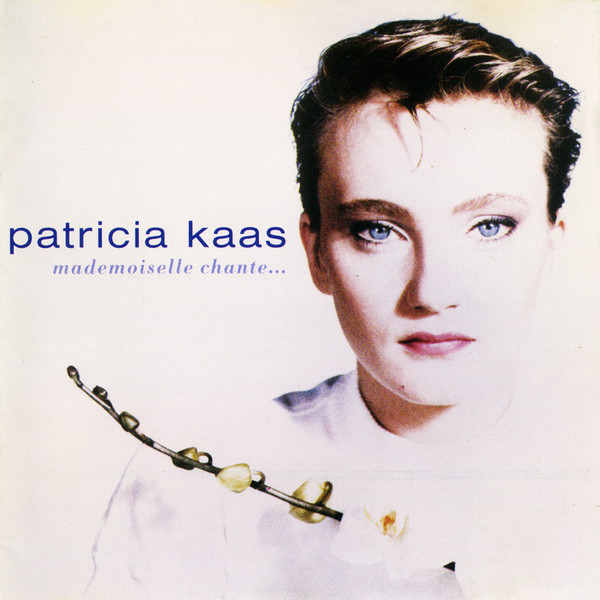
 View Artist